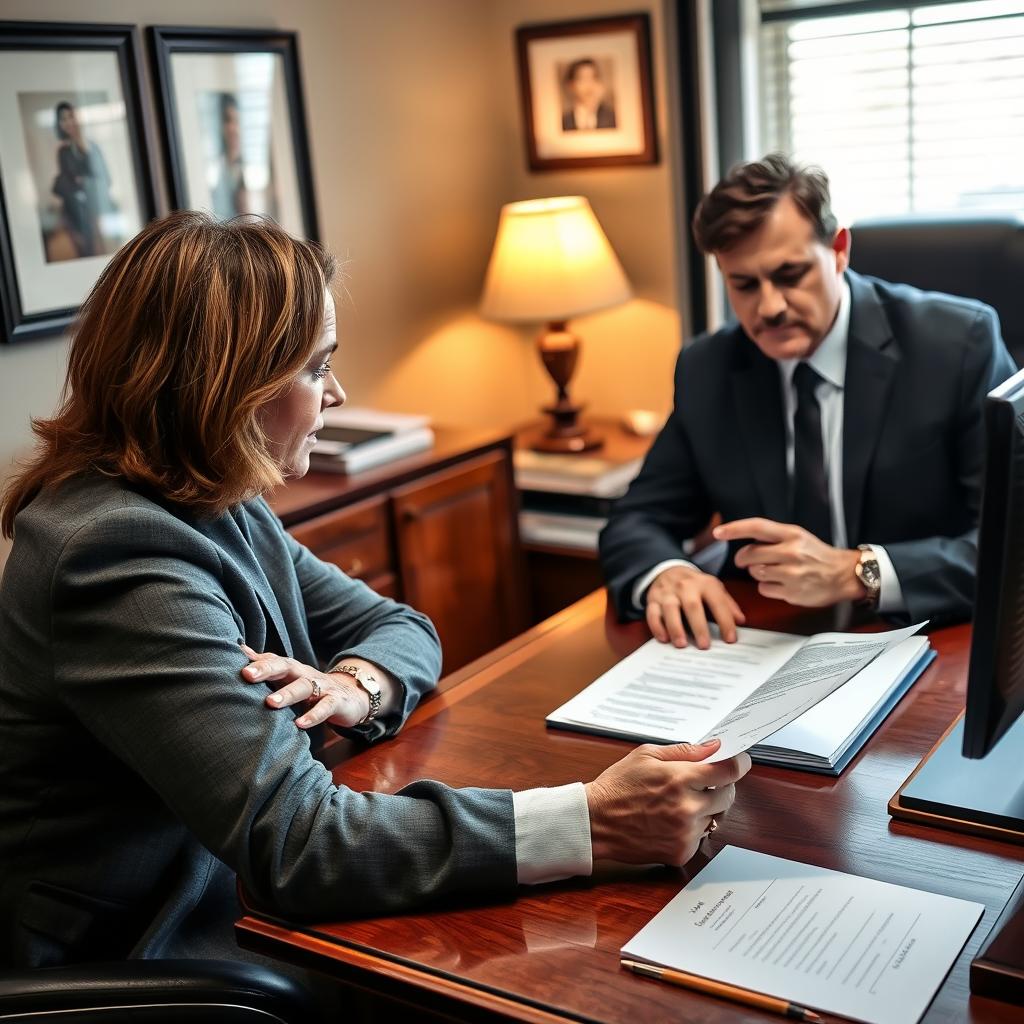
What happens at a criminal arraignment in Howard County
A criminal arraignment in Howard County, Maryland, is the formal court proceeding where a person charged with a crime first appears before a judicial officer to hear the charges and enter a plea. For most misdemeanor cases, arraignment takes place at the District Court of Maryland for Howard County, located at 3451 Courthouse Drive in Ellicott City. For felony charges, the process may begin with an initial appearance before a District Court commissioner, followed by a bail review hearing, and then an arraignment at the Howard County Circuit Court. At the arraignment, the judge ensures the defendant understands the allegations and their right to counsel. The defendant enters a plea of guilty, not guilty, or, with the court’s consent, nolo contendere. A not-guilty plea leads to a trial date being set; a guilty plea proceeds to sentencing or a deferred disposition like probation before judgment (PBJ). The State’s Attorney for Howard County prosecutes the case, and defendants have the right to representation. If you or someone you know is facing an arraignment, early guidance from an experienced criminal defense lawyer can be important. Law Offices Of SRIS, P.C. provides representation in Howard County criminal matters—reach our firm at (888) 437-7747. Law Offices Of SRIS, P.C. – Advocacy Without Borders.
What to Expect at a Criminal Arraignment in Howard County
When you arrive at the District Court of Maryland for Howard County, the clerk will call your case, and the judge will read the charges aloud. The court will confirm that you understand the nature of the accusations and your constitutional rights, including the right to an attorney, the right to remain silent, and the right to a trial. If you cannot afford counsel, the court may determine your eligibility for a public defender. The arraignment is not a trial; it is a preliminary proceeding to set the course of the case. After the plea entry, the judge may address conditions of pretrial release, such as bail or personal recognizance. For felonies, the District Court may lack jurisdiction to accept a guilty plea, so the arraignment may be followed by transfer to the Circuit Court for Howard County for further proceedings.
In Howard County, the criminal docket is managed by the Tenth Judicial District. The District Court hears all misdemeanor trials and initial appearances for felonies. Misdemeanor defendants often receive an arraignment date at the time of their arrest or shortly after; felony cases follow a sequence of commissioner initial appearance, possible preliminary hearing, and then arraignment in Circuit Court. The Maryland rules of criminal procedure, including the Hicks rule (180-day speedy trial requirement for circuit court felony jury trials), apply from the date of the first appearance. Understanding the timing and purpose of these procedural steps can help you prepare for what comes next. Consulting with a lawyer before the arraignment may help you understand your options and avoid missteps that could affect your defense.
Frequently Asked Questions
What is the purpose of a criminal arraignment in Maryland?
The purpose of a criminal arraignment is to formally notify the defendant of the charges, advise them of their rights, and accept a plea. The proceeding ensures the defendant is aware of the specific allegations and the potential consequences. The judge will explain the right to counsel and, if the defendant cannot afford an attorney, determine eligibility for a public defender. The arraignment also sets the stage for future proceedings, including scheduling a trial date for not-guilty pleas or moving to disposition for guilty pleas. In Howard County, this step occurs early in the criminal process, and the court expects defendants to be prepared to address the charges.
Do I need a lawyer at my arraignment in Howard County?
While you are not legally required to have a lawyer at arraignment, having representation can help protect your rights and influence the outcome of bail and plea decisions. An experienced criminal defense attorney can argue for release on personal recognizance, negotiate with the State’s Attorney, and ensure that you do not inadvertently waive important rights. At the District Court of Maryland for Howard County, the judge will ask if you have counsel or need one appointed. If you retain a private lawyer before the arraignment, they may be able to appear with you and address the court. Law Offices Of SRIS, P.C. offers consultations to discuss your case ahead of the hearing.
What is Probation Before Judgment (PBJ) and can it be offered at arraignment?
Probation Before Judgment (PBJ) is a Maryland disposition that allows a judge to place a defendant on probation without entering a conviction. It is commonly discussed at or after arraignment, though the actual decision is made later in the process. For qualifying defendants in Howard County, PBJ can be a valuable option for first-time or low-level offenses, as it avoids a formal conviction on the record. After successful completion of probation, the case may be eligible for expungement under Maryland’s Criminal Procedure Article. Law Offices Of SRIS, P.C. has documented thousands of case results across practice areas—Results may vary. And prior outcomes do not guarantee a similar result in any individual case.
Will I be released on bail at the arraignment?
Bail decisions in Howard County may be made at the initial appearance before a District Court commissioner, not necessarily at the arraignment. If you are arrested, you will see a commissioner who sets bail or releases you on personal recognizance. If you are detained, a bail review hearing may be held within 24 hours. The arraignment judge can also revisit bail conditions, particularly if circumstances change. Factors such as the nature of the offense, ties to the community, and flight risk are considered. Your attorney can present arguments for lower bail or release on conditions, which may increase the chance of pretrial freedom.
What is the difference between a District Court arraignment and a Circuit Court arraignment in Howard County?
District Court arraignments typically handle misdemeanors and initial felony appearances, while Circuit Court arraignments follow after a preliminary hearing or indictment for felony cases. The District Court of Maryland for Howard County has jurisdiction over misdemeanor trials and can accept guilty pleas, while the Howard County Circuit Court handles felony jury trials. For felonies, the District Court conducts the initial appearance and may hold a preliminary hearing to determine if probable cause exists; the case is then transferred to Circuit Court for arraignment. The procedures are similar, but the stakes differ, and felony arraignment often involves more complex scheduling.
Can I plead guilty at my arraignment?
In Maryland, a defendant may plead guilty at arraignment in certain circumstances, but the court must ensure the plea is knowing and voluntary. For misdemeanors in Howard County District Court, a guilty plea can often be entered at arraignment, after the judge makes inquiries into the voluntariness of the plea and factual basis. For felonies, the District Court generally cannot accept guilty pleas, so the arraignment is for advisement and a plea entry of not guilty. An experienced attorney can help evaluate whether an early guilty plea is advisable, considering potential defenses, sentencing exposure, and the availability of alternative dispositions like PBJ.
What happens if I plead not guilty?
If you plead not guilty at arraignment, the court will schedule a trial date and address any pretrial motions. For misdemeanors, the trial will be set in the District Court, often within 30 to 90 days depending on the court’s calendar. For felonies, the case will proceed through the Circuit Court after any necessary preliminary hearing. The not-guilty plea preserves all defenses and the right to challenge the prosecution’s evidence. Your lawyer will typically request discovery from the State’s Attorney, file motions, and develop a defense strategy. The arraignment is the starting point for that adversarial process.
What should I bring to my arraignment?
You should bring a valid photo ID, any court papers you have received, and contact information for your attorney. If you have been released on bail, you may need to provide proof of identity to the clerk. It is also helpful to bring a pen and paper to take notes. Dress respectfully, as the judge will observe your demeanor. If you plan to hire a private lawyer, have their contact ready in case the court needs to verify representation. Avoid bringing weapons or unnecessary items, as courthouse security will screen all visitors at the 3451 Courthouse Drive location.
How long does an arraignment take in Howard County?
An arraignment itself is typically a brief proceeding, often lasting only a few minutes per case, but you may spend several hours waiting for your case to be called. The court’s docket can be large, so plan to arrive early and be prepared to remain for the morning or afternoon session. The actual hearing involves the judge reading the charges, advising you of rights, and accepting your plea. If your case involves a private attorney, they may be able to minimize wait times by coordinating with the clerk and prosecutor. The timeline will vary based on the court’s calendar and the complexity of the matter.
What if I miss my arraignment?
Missing an arraignment can lead to a bench warrant for your arrest and additional legal consequences. If you fail to appear, the judge may issue a warrant, forfeit any posted bail, and schedule a status hearing. You should contact an attorney immediately if you realize you will be unable to attend. In some cases, your lawyer may be able to file a motion to recall the warrant and reschedule the appearance. However, missed court dates can severely damage your credibility and affect bail conditions. It is important to make attendance a priority and notify the court or counsel of any conflicts.
How can I find a criminal defense lawyer for my Howard County arraignment?
You can find a criminal defense lawyer by contacting Law Offices Of SRIS, P.C. at (888) 437-7747 or visiting our Maryland location in Rockville. Our firm has served clients throughout Howard County and all Maryland jurisdictions since 1997, drawing on extensive experience in criminal defense. We encourage you to schedule a consultation ahead of your court date to allow time for case preparation. The firm’s attorneys are familiar with the local courts, the State’s Attorney’s Office, and the procedures at the District Court and Circuit Court for Howard County. To discuss your arraignment and defense options, please reach us at (888) 437-7747.
About Mr. Sris and His Of Counsel Team
Mr. Sris, Owner and Founder of Law Offices Of SRIS, P.C., is a former prosecutor who has practiced criminal defense since the firm’s founding in 1997. He is admitted in Virginia, Maryland, the District of Columbia, New Jersey, and New York, and he personally oversees the firm’s complex criminal matters. Mr. Sris testified before the Virginia House Courts of Justice Committee in support of 2019 HB 635 (chief patron Del. David Bulova). He works alongside his Of Counsel team, all of whom bring extensive litigation experience to criminal defense cases in Howard County and throughout Maryland. Mr. Sris and his Of Counsel bring over 120 years of combined legal experience paired with 4,739+ documented firm-wide results—Results may vary. The firm’s Maryland location serves clients by appointment; call (888) 437-7747 to schedule a consultation about your arraignment or any criminal matter.
Related Resources: Montgomery County Criminal Defense | Prince George’s County Criminal Defense | Anne Arundel County Criminal Defense | Frederick County Criminal Defense | Baltimore County Criminal Defense
Attorney advertising. Prior results do not guarantee a similar outcome.
Results may vary.
Case results depend on a variety of factors unique to each case.