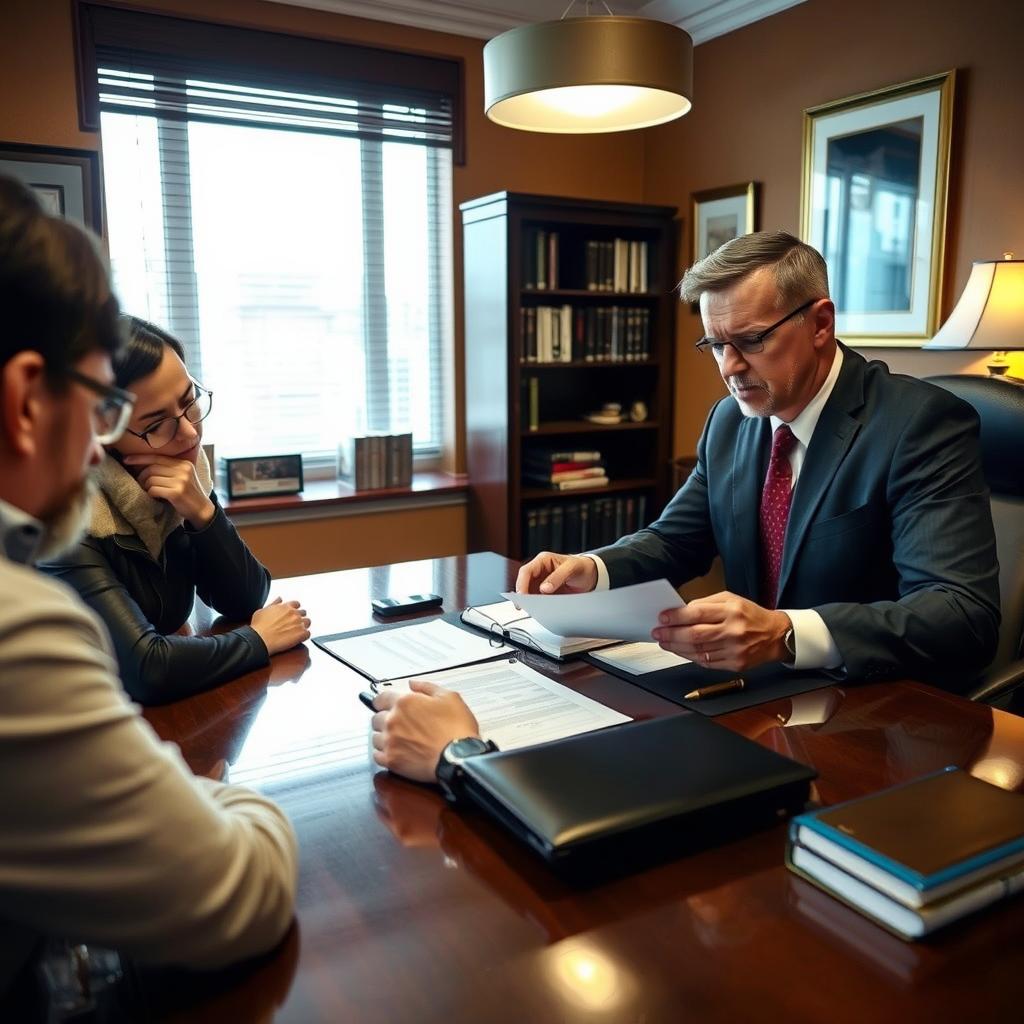
How long does a criminal case take in Baltimore
There is no single timeline for a criminal case in Baltimore. A misdemeanor resolved through the District Court may be concluded in a matter of months, while a felony that moves through the Circuit Court can require a year or more depending on motions, evidence, and trial scheduling. The Baltimore City and Baltimore County court systems each have their own docket pressures, and every case follows a path shaped by its specific charges, the prosecutor’s approach, and the defense strategy. Law Offices Of SRIS, P.C. helps individuals navigate the Maryland courts from the initial appearance through trial or negotiated resolution. To discuss the timeline for your specific matter, reach our firm at (888) 437-7747. Law Offices Of SRIS, P.C. – Advocacy Without Borders.
District Court of MD for Baltimore City is currently presided over by Hon. Geoffrey G. Hengerer (Admin Judge). Court hours: Mon-Fri 8:30AM-4:30PM. Counsel appearing on criminal matters should plan filings accordingly.
Understanding Criminal Case Timelines in Baltimore
In Maryland, criminal cases are heard in two court tiers. The District Court handles misdemeanor trials and initial appearances for felonies, while the Circuit Court conducts felony jury trials and accepts appeals from District Court decisions. Baltimore City and Baltimore County each have both a District Court and a Circuit Court. The District Court of MD for Baltimore City sits at 5800 Wabash Avenue, and the Baltimore City Circuit Court is at 100 N. Calvert Street. In Baltimore County, the District Court is located in Towson at 120 East Chesapeake Avenue, and the Circuit Court is nearby.
Because the schedule of a case depends on which court it is assigned to, the nature of the charges, and whether discovery or pretrial motions are contested, no attorney can give a firm calendar date at the outset. A straightforward misdemeanor such as a disorderly conduct charge can often be resolved within weeks to several months, while a complex felony like a drug distribution case can take many months or more to reach trial. Working with an experienced defense team helps ensure that the process moves as efficiently as the court’s calendar and the circumstances of the case allow.
How Criminal Cases Progress Through Maryland Courts
The timeline begins with the arrest or issuance of a criminal summons. The defendant appears before a District Court commissioner who sets bond or conditions of release. A bail review hearing follows, typically within 24 hours if the defendant is detained. For District Court misdemeanors, an arraignment is held where the charges are read and a trial date is set. The case may be resolved through a negotiated plea, a Probation Before Judgment (PBJ) disposition, or a trial. PBJ is a significant option in Maryland: it avoids a formal conviction on the defendant’s record and is available for many offenses.
For felonies, the District Court conducts a preliminary hearing to determine whether probable cause exists. If the matter is bound over to the Circuit Court, there is another arraignment, followed by motions practice, discovery, and potentially a jury trial. The State’s Attorney for Baltimore City or Baltimore County prosecutes the case. The process can extend if expert witnesses are required or if legal issues are raised through pretrial motions. Throughout the proceedings, a defense attorney works to protect the defendant’s rights and pursue the most favorable resolution possible.
Key Factors That Influence How Long a Case Takes
Several elements affect the duration of a criminal matter in Baltimore. The classification of the offense is the most obvious: misdemeanors, which are adjudicated in the District Court, generally proceed faster than Circuit Court felonies. The complexity of discovery also plays a role. Cases involving digital evidence, forensic analysis, or multiple co-defendants require additional preparation time. Motions to suppress evidence or dismiss charges can add weeks or months as the court schedules hearings and issues rulings.
Plea negotiations themselves can compress or extend the timeline. Early resolution through a plea agreement often shortens the process, though an attorney will not recommend accepting a plea without a thorough review of the evidence and the consequences. Finally, court docket conditions in Baltimore City and Baltimore County vary by season and by the assigned judge’s calendar. While an attorney cannot control the court’s schedule, an experienced defense counsel works to minimize unnecessary delays and keep the case progressing.
How Mr. Sris and His Of Counsel Handle Criminal Cases in Baltimore
Mr. Sris, Owner and Founder of Law Offices Of SRIS, P.C., and his Of Counsel team handle criminal defense matters in Baltimore with a focus on thorough preparation and early intervention. Kristen M. Fisher, who serves as the lead criminal defense attorney for Maryland matters, is a former Maryland Assistant State’s Attorney. Her prosecutorial experience provides insight into how the State builds its cases, which helps identify weaknesses and opportunities early. The team works collaboratively on each matter, ensuring that no detail is overlooked.
When representing a client in Baltimore City or Baltimore County, the firm’s approach includes an immediate assessment of the charges, investigation of the underlying facts, and communication with the prosecutor’s office. If the evidence supports a favorable plea or a pretrial diversion option such as Probation Before Judgment, the team presents that case. If trial is in the client’s best interest, the attorneys prepare thoroughly for litigation. Throughout the process, the firm maintains regular contact with clients so they understand the status of their case and the expected next steps.
About Mr. Sris and His Of Counsel Team
Mr. Sris is a former prosecutor who founded Law Offices Of SRIS, P.C. in 1997. He is admitted to practice in Virginia, Maryland, the District of Columbia, New Jersey, and New York. His background includes testimony before the Virginia House Courts of Justice Committee in support of 2019 HB 635 (chief patron Del. David Bulova). Mr. Sris and his Of Counsel bring over 120 years of combined legal experience. Results may vary.
The Maryland criminal defense team includes Kristen M. Fisher, Of Counsel, whose time as a prosecutor in Maryland District and Circuit Courts informs her trial strategy. The firm’s Of Counsel attorneys work together to ensure every client receives the benefit of collective knowledge and experience. Law Offices Of SRIS, P.C. has documented 4,739+ case results across all practice areas since 1997. Results may vary.
Frequently Asked Questions
How long does a misdemeanor case take in Baltimore?
A misdemeanor case in Baltimore District Court can be resolved in a matter of weeks to several months, depending on the charge and the court’s docket. For example, a straightforward disorderly conduct or minor theft case may be set for trial soon after the arraignment, while a more involved misdemeanor requiring witness testimony and discovery may take longer. The timeline is also influenced by whether the defendant decides to accept a plea or proceed to trial. Your attorney can discuss the likely schedule once the charges are reviewed.
How long does a felony case take in Baltimore?
A felony case in Baltimore Circuit Court often takes many months to more than a year from the initial appearance to resolution. The process includes a preliminary hearing in District Court, possible indictment, Circuit Court arraignment, motions, and potentially a jury trial. Complex cases with multiple charges, co-defendants, or extensive forensic evidence can lengthen the timeline. Early engagement of defense counsel helps ensure that procedural deadlines are met and that plea discussions begin when appropriate.
What factors affect how long a criminal case takes?
The primary factors include the severity of the charge, whether the case is in District Court or Circuit Court, the complexity of the evidence, and the availability of motions hearings on the court’s calendar. Cases that involve expert witnesses, such as DNA analysts or accident reconstruction attorneys, need additional preparation time. Plea negotiations can shorten a case dramatically, but only if the proposed resolution is in the client’s best interest. Court backlog in Baltimore City and Baltimore County also plays a role, though counsel continuously monitors the docket to move the case forward.
Can a case be resolved quickly with a plea?
Yes, a negotiated plea can resolve a criminal case more quickly than proceeding to trial, but the timeline still depends on court availability and prosecutorial agreement. If the State’s Attorney and the defense reach a mutually acceptable disposition early, the court can accept the plea during a routine hearing. However, a plea should never be rushed; an experienced attorney advises the client on the long-term consequences of any plea, including potential immigration, employment, and record-sealing implications.
What should I do if I have been charged with a crime in Baltimore?
If you have been charged, you should speak with a criminal defense attorney before discussing your case with anyone else, especially law enforcement. Preserve any documents, messages, or other evidence that may be relevant. Prompt legal review allows counsel to evaluate the charges, assess bail conditions, and begin building a defense while evidence is fresh. Contact Law Offices Of SRIS, P.C. at (888) 437-7747 to schedule a consultation about your situation in Baltimore.
Related pages: Criminal Defense Lawyer in Baltimore County · Criminal Defense Lawyer in Baltimore City · Maryland Criminal Defense Lawyers
Outbound authority resources: Maryland Courts · Maryland Criminal Law Code · District Court of MD for Baltimore City
Attorney advertising. Prior results do not guarantee a similar outcome. Results may vary.
Case results depend on a variety of factors unique to each case.