
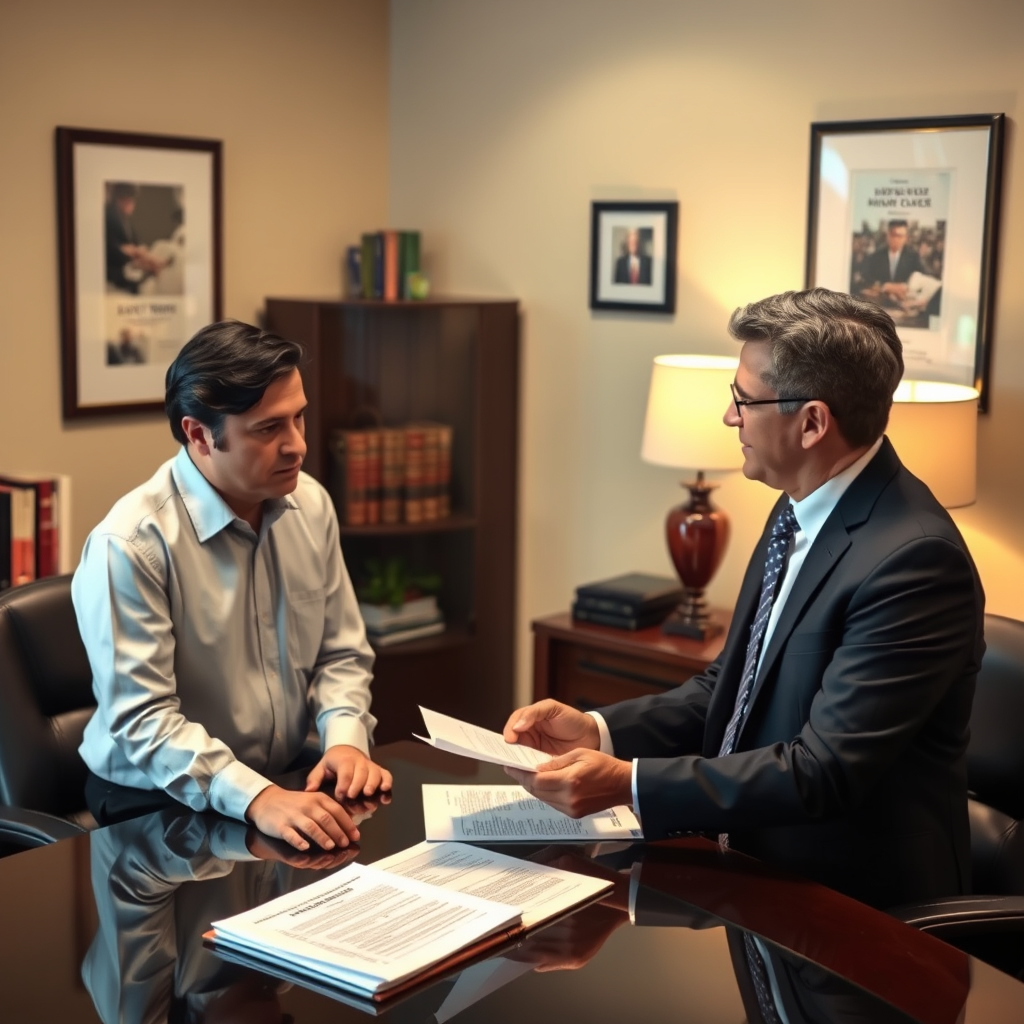
Appealing a Criminal Conviction in Los Angeles? You Need a Seasoned Appellate Attorney
As of January 2026, the following information applies. In Los Angeles, appealing a criminal conviction involves a detailed review of trial court proceedings to identify legal errors, not a retrial of facts. This process aims to overturn or modify convictions or sentences. The Law Offices Of SRIS, P.C. provides dedicated legal defense for these matters, representing clients with a clear, direct, and reassuring approach during challenging times.
Confirmed by Law Offices Of SRIS, P.C.
What is an Appeals Attorney in Los Angeles?
When you’re convicted of a crime in Los Angeles, it can feel like the end of the road. But sometimes, it’s not. An appeals attorney isn’t just another lawyer; they’re your advocate in a completely different kind of fight. They don’t re-litigate your guilt or innocence with new evidence. Instead, they meticulously examine the trial court record for legal mistakes – errors in how the law was applied, evidence was presented, or procedures were followed. Think of it like this: the trial is about whether you did it; the appeal is about whether the system followed the rules when deciding if you did it.
In Los Angeles, a seasoned appellate lawyer focuses on identifying where the trial judge, prosecutor, or even your previous attorney might have made a legal misstep that unfairly impacted your case. Their objective is to persuade a higher court to overturn your conviction, order a new trial, or reduce your sentence. It’s a very distinct area of law that requires a deep understanding of appellate procedure, strong legal research, and persuasive writing skills. It’s about fighting for justice when the initial fight didn’t go your way, offering a real chance at a second look. This isn’t about bringing in new witnesses or trying the case all over again; it’s a careful review of what already happened, seeking legal wrongs.
If you’re facing this situation, remember that the appellate process is highly technical, with strict deadlines and procedural rules. A misstep at this stage could permanently close doors to relief. Having a knowledgeable legal team on your side can make all the difference, helping you understand each step and what to expect. We’re here to provide that clarity and dedicated advocacy.
Takeaway Summary: An appeals attorney in Los Angeles reviews your trial for legal errors, aiming to overturn or modify a conviction or sentence, rather than re-litigate facts. (Confirmed by Law Offices Of SRIS, P.C.)
How to Work Through the Criminal Appeals Process in Los Angeles?
Taking on a criminal appeal in Los Angeles can seem daunting, like trying to find your way through a maze blindfolded. But with the right guidance, it becomes a clear path, step by methodical step. Here’s a breakdown of how the process generally unfolds, helping you understand what’s involved:
-
Filing the Notice of Appeal: The Critical First Step
This is the absolute beginning, and it’s time-sensitive. After a conviction and sentencing, there’s a limited window—usually 30 or 60 days depending on the type of case—to file a “Notice of Appeal.” Miss this deadline, and your right to appeal might be gone for good. It’s not just a formality; it tells the court you intend to challenge the outcome. Your appellate attorney makes sure this is filed accurately and on time, preventing procedural roadblocks before they even begin. It signals your intent to fight, and it’s a non-negotiable part of the process.
-
Ordering and Reviewing the Trial Record: Diving Deep into What Happened
Once the notice is filed, the court reporter prepares transcripts of everything said in court, and the clerk compiles all the documents and exhibits presented. This collection—the “record on appeal”—becomes the sole basis for the appellate court’s review. Your appellate attorney then dedicates significant time to meticulously review every page of these transcripts, every exhibit, and every motion. They’re not looking for new facts but for legal errors made during the trial. Was evidence improperly admitted or excluded? Did the judge give incorrect instructions to the jury? Was your previous attorney ineffective? This thorough review is painstaking, but it’s where the grounds for appeal are discovered.
-
Legal Research and Brief Writing: Crafting Your Argument
With potential errors identified, the real legal heavy lifting begins. Your attorney will conduct extensive legal research, seeking out statutes, case law, and precedents that support your arguments. Then, they’ll draft a detailed legal brief. This isn’t just a summary; it’s a persuasive, well-reasoned argument explaining precisely why the trial court made an error and how that error harmed your case. The brief must cite specific parts of the trial record and relevant legal authority, presenting a clear and compelling narrative to the appellate judges. It’s a precise art, requiring not just legal knowledge but also strong analytical and writing skills to present your challenge effectively.
-
Opposing Brief and Reply Briefs: The Legal Dialogue
After your attorney files the opening brief, the prosecution gets a chance to respond with their own “respondent’s brief.” They’ll argue why the trial court’s decision was correct and why any errors you’ve identified were harmless or didn’t actually happen. Your attorney then has an opportunity to file a “reply brief,” responding to the prosecution’s arguments and further strengthening your position. This exchange of briefs forms the core legal debate, laying out both sides of the argument for the appellate court to consider. It’s a back-and-forth, formal legal conversation, all on paper.
-
Oral Argument: Presenting Your Case to the Court
In many cases, after the briefs are filed, the appellate court will schedule an oral argument. This is your attorney’s chance to directly address the panel of judges, highlighting the most critical points of your appeal and answering their questions. It’s a dynamic, intense courtroom setting where direct engagement with the court is paramount. While the briefs lay out the entire argument, oral argument allows for a focused discussion on the most impactful issues, giving the judges a chance to probe the arguments and clarify their understanding. It’s an opportunity to make a direct impression.
-
The Court’s Decision: Waiting for the Outcome
Once the oral argument concludes (or if no argument is held), the appellate court will take the case under submission. This means the judges will deliberate, discuss the legal arguments, and eventually issue a written opinion. The court can affirm the conviction (meaning they agree with the trial court), reverse the conviction (meaning they overturn it, often sending it back for a new trial or dismissal), or modify the sentence or judgment. This decision is then sent to all parties. It’s the moment of truth after a lengthy and thorough review.
-
Further Appeals: When the Fight Continues
If the intermediate appellate court doesn’t rule in your favor, the fight might not be over. Depending on the specific legal issues and the jurisdiction, you might have the option to seek review from a higher court, such as the California Supreme Court or, in rare cases involving federal constitutional issues, the United States Supreme Court. Each level of appeal has its own stringent rules and discretionary review, meaning the higher courts don’t have to hear every case. Your attorney can advise you on whether pursuing further appeals is a viable and advisable path given your specific circumstances.
Working through this process requires deep legal insight and a steadfast commitment. At Law Offices Of SRIS, P.C., we stand ready to guide you, offering clear advice and strong advocacy every step of the way.
Can I Really Get My Conviction Overturned on Appeal in Los Angeles?
Facing a conviction can feel like the final word, leaving you with a sense of helplessness. It’s natural to wonder, “Is there truly a chance to turn this around?” The blunt truth is, criminal appeals in Los Angeles are tough. They’re not a guaranteed second bite at the apple, and the appellate courts often give a lot of deference to the trial court’s decisions. You won’t simply get a “do-over” just because you didn’t like the outcome. That said, getting a conviction overturned isn’t impossible, but it demands specific, compelling legal grounds.
The appellate court isn’t there to re-hear witness testimony or re-evaluate evidence to decide if you’re guilty or innocent. Their job is to review the legal process of your trial. They’re looking for significant legal errors that actually affected the outcome of your case. These could be things like:
- **Judicial Error:** The trial judge made a mistake in interpreting the law, admitting or excluding evidence, or instructing the jury. For instance, if the judge allowed testimony that was clearly hearsay and that testimony was pivotal to your conviction, that could be grounds for appeal.
- **Prosecutorial Misconduct:** The prosecutor engaged in unfair tactics, like withholding exculpatory evidence, making improper arguments, or inflaming the jury.
- **Ineffective Assistance of Counsel:** Your trial attorney performed so poorly that it fell below an objective standard of reasonableness, and that poor performance prejudiced your defense. This is a high bar to meet, as courts recognize that every attorney makes tactical decisions, but fundamental errors can be grounds for reversal.
The standard for reversal is also critical. An error isn’t enough; it generally needs to be “prejudicial error”—meaning it was so significant that it likely affected the outcome of your trial. If an error occurred but the appellate court believes the result would have been the same anyway (a “harmless error”), they won’t overturn the conviction.
Real-Talk Aside: Appeals are about justice, but they’re also about procedure and law. It’s not about convincing someone you’re innocent; it’s about convincing a panel of judges that a legal rule was broken and that breach had a real impact on your freedom. That’s why you need a legal team that understands the nuances of appellate law, not just trial law.
While we can’t guarantee outcomes—past results don’t predict future ones—we can assure you that if there are legitimate legal grounds to challenge your conviction, Law Offices Of SRIS, P.C. will uncover them and argue them vigorously. We’ve seen challenging cases, and we know what it takes to pursue every avenue for our clients. We bring a methodical approach to identifying these errors and constructing the strongest possible legal argument for reversal or modification of your conviction or sentence.
Why Entrust Your Los Angeles Appeal to Law Offices Of SRIS, P.C.?
When your freedom and future are on the line in an appeal, you don’t just need a lawyer; you need a dedicated advocate who truly understands the stakes and knows how to fight for you. At Law Offices Of SRIS, P.C., we bring a combination of seasoned legal acumen, unwavering dedication, and a personalized approach to every case we undertake. We know the appellate process in Los Angeles can be intimidating, and we’re here to demystify it for you, providing clear, direct guidance.
Mr. Sris, our founder and principal attorney, reflects the core philosophy of our firm:
“My focus since founding the firm in 1997 has always been directed towards personally handling the most challenging and complex criminal and family law matters our clients face.”
This insight drives our commitment to you. We believe in truly understanding your situation, not just the legal facts, but the human story behind them. We approach appeals with a meticulous eye for detail, pouring over every page of the trial record to identify those critical legal errors that can make all the difference. We don’t shy away from complex legal arguments; instead, we thrive on the challenge of dissecting cases and building compelling arguments for appellate courts. We know that sometimes, justice demands a second look, and we’re prepared to fight vigorously to secure that for you.
We’re not just about legal theory; we’re about real people facing real consequences. We offer compassionate yet direct representation, ensuring you’re informed and supported throughout what can be a lengthy and stressful process. We take pride in our ability to craft persuasive legal briefs and present compelling oral arguments, always with your best interests at heart.
Our commitment extends beyond the courtroom. We are dedicated to providing accessible and responsive legal support, knowing that communication is key when so much is at stake. When you choose Law Offices Of SRIS, P.C., you’re choosing a team that will stand by you, advocate fiercely on your behalf, and work tirelessly to achieve the most favorable outcome possible for your appeal.
We are ready to provide a confidential case review to discuss your options. Don’t let uncertainty dictate your future. Reach out today.
You can reach our dedicated team at:
Law Offices Of SRIS, P.C.
4008 Williamsburg Court
Fairfax, VA 22032
Phone: +1-703-636-5417
Call now for your confidential case review.
Frequently Asked Questions About Criminal Appeals in Los Angeles
- What’s the key difference between an appeal and a new trial?
- An appeal reviews the trial court record for legal errors, not to re-evaluate facts or introduce new evidence. A new trial involves presenting evidence and testimony again to a different jury.
- How long does a criminal appeal typically take in Los Angeles?
- The duration of a criminal appeal in Los Angeles varies significantly, often taking anywhere from several months to a couple of years, depending on court dockets and case complexity.
- Can new evidence be presented during a criminal appeal?
- Generally, no. Appellate courts review the record as it existed at trial. New evidence is typically not allowed unless it was undiscoverable at trial and is crucial to the case.
- What are the potential outcomes of a successful criminal appeal?
- A successful appeal can lead to an overturned conviction, a new trial being ordered, or a modification of the sentence. The specific outcome depends on the nature of the error.
- Is having an attorney necessary for a criminal appeal?
- Yes, absolutely. Criminal appeals are highly technical and procedural. A knowledgeable appellate attorney is essential to identify legal errors, draft persuasive briefs, and argue effectively.
- What happens if my criminal appeal is unsuccessful?
- If your criminal appeal is unsuccessful, you might have options for further appeal to a higher court, depending on the jurisdiction and the legal issues involved. Your attorney can advise you.
- Can I appeal a conviction that resulted from a guilty plea?
- Yes, in some limited circumstances, you can appeal a conviction after a guilty plea. This usually involves challenging the plea’s validity or the legality of the sentence imposed. It’s complex.
- What kind of legal errors are grounds for an appeal?
- Appeals can be based on judicial errors (wrong legal rulings), prosecutorial misconduct, or ineffective assistance of trial counsel. The error must have significantly affected the trial’s outcome.
- Is there a guarantee that my appeal will be heard or succeed?
- No, an appeal is not guaranteed to be heard by all higher courts, and success is never guaranteed. Appellate courts have discretion, especially for reviews by the state or U.S. Supreme Court.
- How much does it cost to hire an appeals attorney in Los Angeles?
- The cost of an appeals attorney in Los Angeles varies based on the case’s complexity, the amount of record review needed, and the attorney’s experience. We offer confidential case reviews to discuss fees.
The Law Offices Of SRIS, P.C. has locations in Virginia in Fairfax, Loudoun, Arlington, Shenandoah and Richmond. In Maryland, our location is in Rockville. In New York, we have a location in Buffalo. In New Jersey, we have a location in Tinton Falls.
Past results do not predict future outcomes.