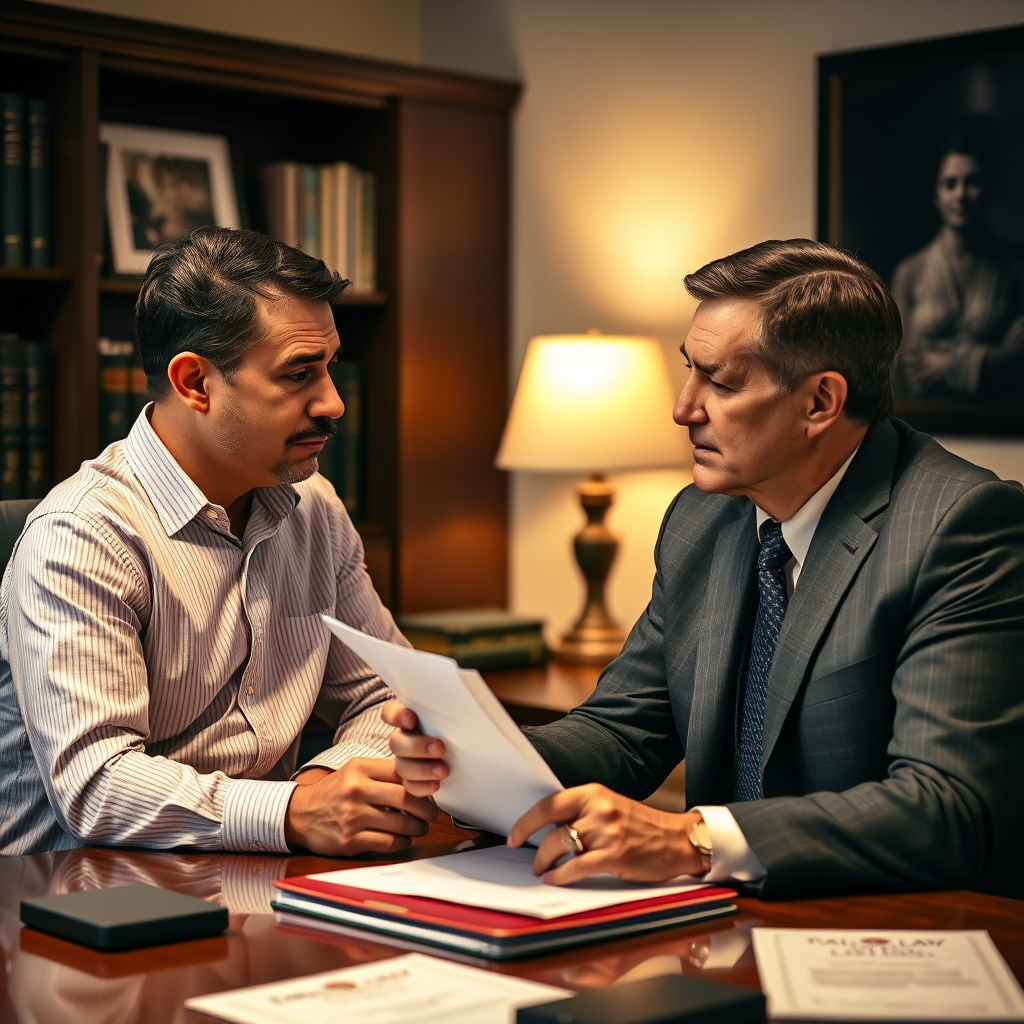
California Post-Conviction Relief Attorney: Vacate Convictions & Seek Resentencing
As of January 2026, the following information applies. In California, post-conviction relief involves legal actions taken after a criminal conviction to challenge or modify the judgment. This can include motions to vacate convictions, resentencing petitions, and other avenues to address injustices or errors. The Law Offices Of SRIS, P.C. provides dedicated legal defense for these critical matters, helping individuals pursue fairness and a second chance.
Confirmed by Law Offices Of SRIS, P.C.
What is California Post-Conviction Relief?
California post-conviction relief isn’t just one thing; it’s a collection of legal tools designed to help people who’ve already been convicted of a crime. Think of it like this: the original court process isn’t always the end of the road. Sometimes, new evidence comes to light, or there were errors in how the law was applied, or perhaps the legal landscape itself has changed since your conviction. Post-conviction relief aims to address these issues, offering a chance to overturn a conviction, reduce a sentence, or even prevent deportation based on a past criminal record. It’s a vital mechanism for justice, giving individuals an opportunity to correct past wrongs that occurred during their initial criminal proceedings. This can be a lifeline for many, especially when a conviction has far-reaching consequences beyond just the immediate sentence. It encompasses various legal strategies, each tailored to specific circumstances, making it a complex but often rewarding area of law for those seeking to clear their names or lighten their burdens.
When we talk about post-conviction relief in California, we’re talking about more than just appeals. While appeals challenge legal errors made during trial, post-conviction relief often looks at issues that weren’t part of the original trial record, or new laws that apply retroactively. This might involve demonstrating that your plea was made without understanding the immigration consequences, for example, or arguing that a change in sentencing laws means your punishment is now considered excessive. It’s about ensuring that justice isn’t a one-time event, but an ongoing process where significant errors or unfairness can be rectified. This is particularly important for individuals whose lives have been severely impacted by convictions that might not stand up to scrutiny under current legal standards or with newly discovered facts. Understanding the distinction between an appeal and post-conviction relief is the first step in determining the best path forward for your particular situation.
Takeaway Summary: California post-conviction relief offers legal pathways to challenge or modify criminal convictions after judgment, addressing errors, new evidence, or changes in law. (Confirmed by Law Offices Of SRIS, P.C.)
How to Challenge a Conviction or Sentence in California
Challenging a conviction or sentence in California after the fact involves navigating specific legal processes, each with its own requirements and timelines. It’s not a straightforward path, but with experienced legal counsel, you can understand your options and pursue the most effective relief. Here’s a look at common methods:
-
Vacating a Conviction with a California Penal Code 1473.7 Motion:
This is a critical avenue, especially for those whose convictions might lead to deportation or other severe immigration consequences. Penal Code 1473.7 allows a person who is no longer in criminal custody to file a motion to vacate a conviction or sentence based on a prejudicial error that damaged their ability to meaningfully understand, defend against, or negotiate the immigration consequences of their plea. This often comes into play when someone pleaded guilty or no contest without proper advice about how that plea would affect their immigration status. To succeed, you usually have to show that, had you known about the true immigration risks, you wouldn’t have accepted the plea. This motion needs to be filed with careful attention to detail and a thorough understanding of both criminal and immigration law. It’s not enough to simply regret your plea; you must demonstrate a legal error and resulting prejudice. The timeline for filing can be strict, so acting quickly is important if you believe this applies to your situation. Proving ‘prejudicial error’ requires showing a reasonable probability that, but for the error, the defendant would have received a more favorable outcome.
-
Seeking Resentencing under California SB 1437 (Penal Code 1172.6 Petition):
California Senate Bill 1437, now codified as Penal Code section 1172.6 (formerly 1170.95), changed the law regarding felony murder and murder under the natural and probable consequences doctrine. If you were convicted of felony murder or murder under this doctrine, and you weren’t the actual killer, didn’t intend to kill, or weren’t a major participant who acted with reckless indifference to human life, you might be eligible for resentencing. This law was enacted to ensure that punishment is aligned with actual culpability. Filing a PC 1172.6 petition involves demonstrating that your case meets the new criteria for eligibility. The court will then review your case to determine if you qualify for a reduced sentence or even a complete vacating of your murder conviction. This can significantly impact your freedom and future. Understanding the nuances of this legislation and how it applies to your specific conviction is key to a successful petition. This process involves multiple stages, including an initial review, a hearing, and potentially further litigation to establish eligibility. Many individuals previously convicted under broader murder statutes now have an opportunity for justice through this legislation.
-
Obtaining a Franklin Hearing for Youthful Offenders:
For individuals sentenced to a lengthy prison term for crimes committed as juveniles, a ‘Franklin hearing’ is a specialized proceeding. This hearing allows youthful offenders to present evidence of their youth and its attendant characteristics, such as immaturity, impulsivity, and susceptibility to peer pressure, to build a record for a future parole board suitability hearing. The purpose isn’t to resentence you immediately but to ensure that when your parole eligibility date arrives, the parole board has a comprehensive record of mitigating factors related to your youth at the time of the offense. This evidence can be vital in demonstrating rehabilitation and suitability for release. These hearings are often held years after the original conviction, but they are a critical opportunity to gather and present evidence that speaks to your potential for rehabilitation and change. The evidence presented during a Franklin hearing can include psychological evaluations, educational achievements, and personal development while incarcerated. It provides a structured way to document the factors unique to juvenile offenders that should be considered for future parole decisions.
-
Filing a Motion to Recall a Sentence:
A motion to recall a sentence, often filed under California Penal Code section 1170(d)(1), allows a court to recall a sentence and resentence a defendant to a lesser term. This is typically initiated by the court itself, or upon recommendation from the Secretary of the Department of Corrections and Rehabilitation (CDCR) or the district attorney. It’s not a right but a discretionary power of the court, usually exercised in extraordinary circumstances, such as when there’s a significant change in the law, a manifest injustice, or new information that wasn’t available at the time of the original sentencing. While it’s less common for individuals to directly initiate this process, a knowledgeable attorney can advocate for a recall and resentencing by presenting compelling reasons to the relevant authorities. This type of motion can offer relief in cases where the original sentence appears unduly harsh or where circumstances have dramatically changed since the initial judgment. The decision to recall a sentence lies with the court’s discretion, making a strong argument supported by evidence essential for a positive outcome. It’s a powerful tool, albeit one that requires significant legal justification and strategic presentation.
Can I Vacate a Conviction for Immigration Purposes in California?
The fear of deportation because of a past criminal conviction is a real and terrifying prospect for many non-citizens in California. It’s a common concern, and the answer is a resounding yes: you absolutely can pursue legal avenues to vacate a conviction specifically to mitigate or eliminate adverse immigration consequences. This is precisely what California Penal Code 1473.7 was designed to address. Many people, when they initially plead guilty or no contest to a crime, simply aren’t aware of the devastating immigration ramifications their decision might have. They might have received inadequate legal advice, or perhaps the attorney at the time didn’t fully understand the intricate overlap between criminal law and immigration law. This is where the ability to vacate a conviction becomes a lifeline. It’s about correcting a past error where the prejudicial impact on your immigration status wasn’t properly considered or advised. Our goal is to help you show the court that, had you known the true consequences, you would have pursued a different path in your criminal case, potentially avoiding a conviction that now threatens your ability to remain in the country. This isn’t just a legal fight; it’s often a fight to keep families together and lives from being uprooted.
Understanding the interplay between criminal convictions and immigration status is incredibly complex, and a misstep can lead to dire results. A conviction that seems minor in the criminal context can be an “aggravated felony” or a “crime involving moral turpitude” in immigration law, leading to mandatory detention and deportation with no relief available. Penal Code 1473.7 offers a unique opportunity to revisit these past convictions. It requires demonstrating that there was a legally prejudicial error at the time of the plea – often, a failure to advise adequately on immigration consequences. This means it’s not enough to simply say you wish you hadn’t pleaded guilty; you must show that your attorney’s failure to advise, or the court’s failure to ensure you were advised, directly led to your current immigration predicament. The process involves gathering evidence, including declarations, expert opinions on immigration law, and a reconstruction of what would have happened if proper advice had been given. This takes a knowledgeable and seasoned legal team. While we can’t share specific case results, we have represented many individuals with immigration concerns, striving to give them the best possible chance at remaining in the U.S. and continuing their lives here. Our work is focused on presenting the strongest possible argument to demonstrate that your conviction should be vacated on these critical grounds.
Why Hire Law Offices Of SRIS, P.C.?
When your freedom, your future, or your ability to remain in the country is on the line, you need more than just a lawyer; you need a dedicated advocate who understands the stakes. At Law Offices Of SRIS, P.C., we approach post-conviction relief cases with a deep commitment to justice and a clear understanding of the intricate legal challenges involved. We know that these cases often represent a last chance for individuals to correct profound injustices, and we bring a seasoned perspective to every client we represent.
Mr. Sris, the founder of Law Offices Of SRIS, P.C., brings a unique and powerful perspective to every case. His personal insight is clear: “My focus since founding the firm in 1997 has always been directed towards personally defending the most challenging and complex criminal and family law matters our clients face.” This isn’t just a statement; it’s a philosophy that guides our entire team. Mr. Sris’s dedication to personally engaging with the hardest cases means that when you choose Law Offices Of SRIS, P.C., you’re not just getting legal representation; you’re gaining the benefit of decades of experience in high-stakes legal battles. His background, combining legal acumen with accounting and information management, gives him a distinct advantage in understanding the multifaceted details that can make or break a post-conviction relief case. This interdisciplinary approach allows us to examine every angle, uncover hidden details, and construct comprehensive legal strategies that other firms might overlook. We’re not afraid of the hard work, and we understand that your situation demands meticulous attention.
Our firm is built on the principle of providing empathetic, direct, and reassuring counsel. We understand the fear and uncertainty that often accompany post-conviction matters. We explain complex legal processes in plain language, ensuring you understand every step we take. Our goal is to provide clarity and hope, even in the most challenging situations. We believe that every individual deserves a robust defense and a chance at a fair outcome, regardless of their past. That means we don’t shy away from complex legal arguments or from challenging established norms when it serves our clients’ best interests. We also know that the legal process can be emotionally draining, and we strive to be a source of strength and stability for our clients throughout their journey.
Law Offices Of SRIS, P.C. is prepared to defend clients in California. While our primary California mapping points to our location in Virginia, rest assured we provide dedicated legal services for California cases. Our commitment is to California residents seeking post-conviction relief, leveraging our firm-wide resources to serve your needs.
Law Offices Of SRIS, P.C.4008 Williamsburg Court
Fairfax, VA, 22032, US
Phone: +1-703-636-5417
Call now for a confidential case review and let us begin fighting for your future.
Frequently Asked Questions About California Post-Conviction Relief
- What is the difference between an appeal and post-conviction relief?
- An appeal challenges legal errors from the trial record, like improper rulings. Post-conviction relief addresses issues outside the trial record, such as ineffective assistance of counsel, new evidence, or changes in law, often after the direct appeal process is complete.
- How long do I have to file a Penal Code 1473.7 motion?
- Generally, a PC 1473.7 motion should be filed with reasonable diligence after receiving a notice to appear in immigration court or a final order of deportation. Delays can be detrimental, so acting quickly is advisable to preserve your rights and options.
- Who is eligible for resentencing under California Penal Code 1172.6 (formerly SB 1437)?
- You may be eligible if convicted of felony murder or murder under the natural and probable consequences doctrine, and you were not the actual killer, did not intend to kill, or were not a major participant with reckless indifference to human life. The law aims to align punishment with actual culpability.
- What is a Franklin hearing and who needs one?
- A Franklin hearing allows youthful offenders to create a record of mitigating factors related to their youth at the time of the crime. This record is used by the parole board during future suitability hearings. It’s for those with lengthy sentences for crimes committed as juveniles.
- Can a sentence be recalled in California?
- Yes, under Penal Code 1170(d)(1), a court can recall a sentence and resentence a defendant to a lesser term. This is typically initiated by the court, CDCR, or the district attorney in extraordinary circumstances, such as changes in law or manifest injustice.
- Is it possible to get a conviction vacated if it affects my professional license?
- While PC 1473.7 specifically addresses immigration consequences, other post-conviction remedies might indirectly help with professional licensing issues. Discussing your specific situation with an experienced attorney is vital to explore all available legal pathways.
- What does ‘prejudicial error at time of plea’ mean under PC 1473.7?
- This refers to an error, often by defense counsel, that deprived you of the ability to understand or meaningfully negotiate the immigration consequences of your plea. You must show that, but for this error, you would not have pleaded guilty and would have achieved a more favorable outcome.
- How important is legal counsel for post-conviction relief efforts?
- It is incredibly important. Post-conviction relief law is highly specialized and complex, with strict deadlines and procedural rules. Experienced legal counsel is often the difference between success and failure, ensuring all legal avenues are thoroughly explored and properly presented.
- Will vacating my conviction automatically clear my record?
- Vacating a conviction removes it for legal purposes, including immigration. However, the arrest and original court records may still exist. The specific impact on your overall record depends on the relief granted and the type of record-keeping involved. Your attorney can clarify this.
- What is the first step to explore post-conviction relief?
- The first step is to seek a confidential case review with a knowledgeable attorney who specializes in California post-conviction relief. They can assess your conviction, identify potential grounds for relief, and outline the best course of action for your unique circumstances.
The Law Offices Of SRIS, P.C. has locations in Virginia in Fairfax, Loudoun, Arlington, Shenandoah and Richmond. In Maryland, our location is in Rockville. In New York, we have a location in Buffalo. In New Jersey, we have a location in Tinton Falls.
Past results do not predict future outcomes.