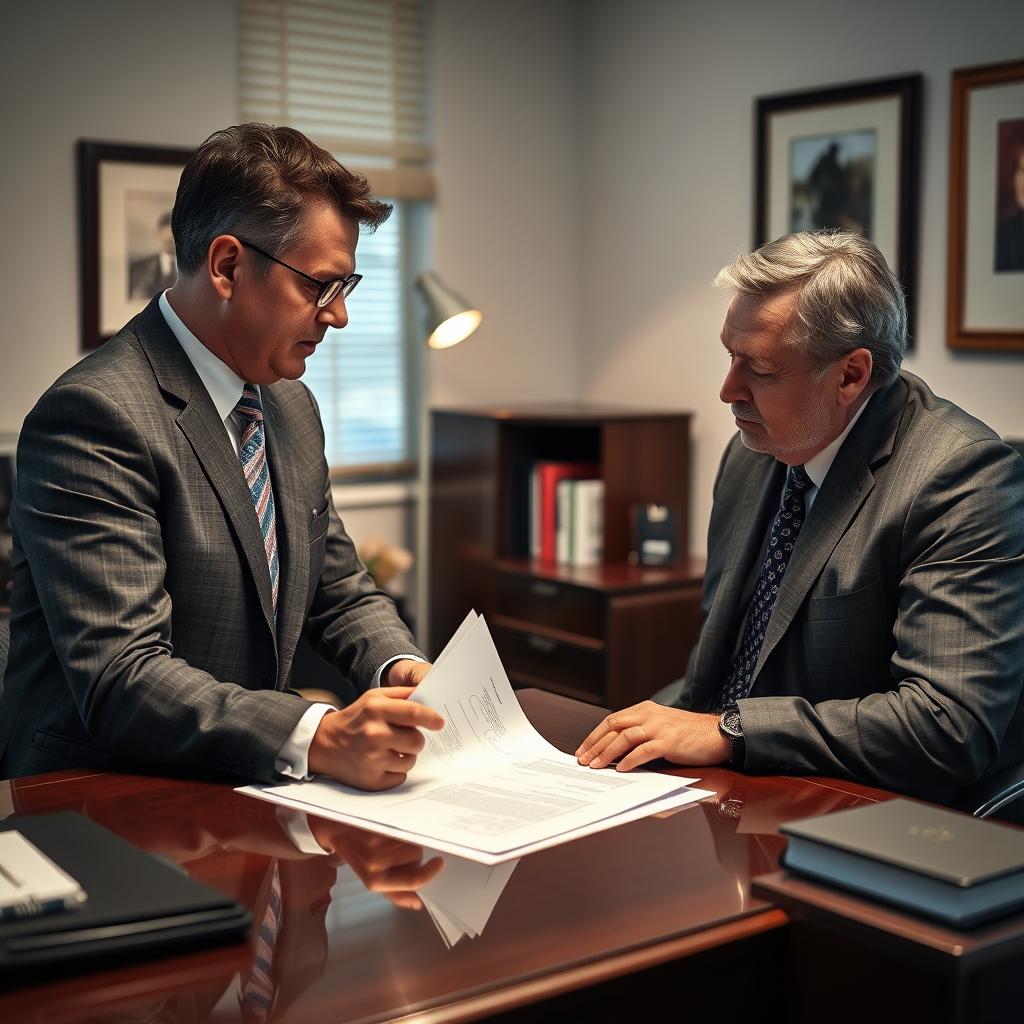
Federal Appeals Lawyer Mercer County, NJ
You sat in the federal courtroom at the U.S. District Court for the District of New Jersey in Trenton and listened as the verdict was read aloud. The conviction felt final. But you know that errors may have occurred—misapplied law, a questionable evidentiary ruling, or a sentence that seems out of proportion to the offense. A federal appeal is a highly technical process, and having an experienced federal appeals lawyer who understands the federal courts in Mercer County can make a critical difference. At Law Offices Of SRIS, P.C., Mr. Sris and his Of Counsel team have handled post-conviction matters and federal criminal appeals. Call (888) 437-7747 to discuss your situation. Law Offices Of SRIS, P.C. – Advocacy Without Borders.
Strategy Options for Your Federal Appeal
Every federal appeal begins with a thorough review of the trial record to identify viable issues. Not every disappointment at trial is a reversible error; the appellate court reviews only preserved objections—issues your trial attorney raised during the proceedings—and will seldom entertain a claim raised for the first time on appeal. Your appellate lawyer will examine whether the district court misapplied a statute, admitted evidence over a proper objection, incorrectly instructed the jury, or made a sentencing error. Ineffective assistance of counsel claims are typically reserved for post-conviction proceedings under 28 U.S.C. § 2255, not direct appeal, though the question of which vehicle is appropriate must be considered early because deadlines are strict.
Mr. Sris and his Of Counsel approach each federal appeal by first sitting down with you and the record. They look for procedural defects—perhaps the government failed to prove an element of the offense, or a search warrant was constitutionally defective. They also evaluate whether the sentence imposed was substantively or procedurally unreasonable under the United States Sentencing Guidelines, which are advisory but still heavily influence the court’s decision. Appellate advocacy is primarily about the brief, not the oral argument, though the ability to answer a panel’s questions succinctly can redirect the outcome. Mr. Sris and his team prepare written submissions that frame the issues in a way the Third Circuit—which hears appeals from New Jersey federal courts—will recognize as grounded in its own precedent.
What to Expect in a Federal Criminal Appeal
After sentencing, the defendant has only fourteen calendar days to file a notice of appeal in the district court. That deadline is jurisdictional—missing it means the appeal is barred. Once the notice is filed, the court reporter prepares the trial transcript, and the clerk assembles the record on appeal. This part of the process can take several months. Your appellate lawyer then files the opening brief, which states the issues, the standard of review, the relevant facts, and the legal argument. The government responds, and your attorney may file a reply brief. The court may schedule oral argument, though many cases are decided on the briefs alone. The panel will issue a written decision; a decision can affirm the conviction, reverse it, vacate the sentence, or remand for further proceedings.
Throughout this timeline, Mr. Sris and his Of Counsel keep you informed of each step. They explain what the standard of review means for your case—whether an issue is reviewed de novo (fresh look), for clear error, or for abuse of discretion, which affects the likelihood of success. They also advise on whether seeking bail pending appeal is viable, which is granted only in unusual circumstances. Because federal appeals are document-intensive, you will be asked to provide any notes or records you may have that could support the claims being raised.
Federal Sentencing and Appellate Review
More federal appeals involve sentencing than any other single issue. The United States Sentencing Guidelines, though advisory, remain the starting point for every federal sentence. The appellate court reviews a sentence for reasonableness—first ensuring the district court correctly calculated the guideline range and considered the statutory factors under 18 U.S.C. § 3553(a), and then determining whether the sentence is substantively reasonable. A within-guideline sentence is presumed reasonable on appeal, but that presumption can be overcome if the district court failed to address a significant argument or gave undue weight to an improper factor.
When a sentence includes a mandatory minimum, the appellate court still reviews the statutory application de novo. If the judge misinterprets the statute that sets the minimum, the sentence may be vacated. Mr. Sris and his Of Counsel have experience raising sentencing challenges, including claims that the district court misapplied a specific offense characteristic, improperly denied a downward departure, or failed to consider the safety valve or substantial assistance provisions. In the federal appellate system, every argument must be precisely stated and supported by the record; vague dissatisfaction with the outcome is not enough. The team at Law Offices Of SRIS, P.C. Crafts arguments that the Third Circuit will take seriously.
About Mr. Sris and His Of Counsel Team
Mr. Sris is the Owner and Founder of Law Offices Of SRIS, P.C. He is admitted to practice in Virginia, Maryland, the District of Columbia, New Jersey, and New York, and has been litigating criminal matters since 1997. As a former prosecutor, Mr. Sris understands how the government builds its cases and where procedural weaknesses most frequently appear in a trial record. He testified before the Virginia House Courts of Justice Committee in support of 2019 HB 635 (chief patron Del. David Bulova). Mr. Sris and his Of Counsel bring over 120 years of combined legal experience. Results may vary.
On federal appeal matters, Mr. Sris works collaboratively with his Of Counsel team to review the record, research the issues, and prepare the briefs. The collective experience of the team includes direct appeal work, post-conviction motions under 28 U.S.C. § 2255, and sentencing advocacy. Mr. Sris and his Of Counsel have documented 4,739+ case results firm-wide. Results may vary. For a consultation about your federal appeal, call (888) 437-7747.
Frequently Asked Questions
What is a federal appeal?
A federal appeal is a request to a higher court to review the decisions of a lower federal court for legal errors. It is not a retrial. The appellate court reads the briefs, reviews the record of what happened in the district court, and decides whether any mistake of law occurred that affected the outcome. The Third Circuit Court of Appeals hears appeals from federal district courts in New Jersey, including Mercer County. An experienced appellate attorney can identify the strongest issues and present them in a way that the panel will find persuasive.
Do I need a lawyer for a federal appeal?
While you have the right to represent yourself on appeal, federal appellate procedure is complex and unforgiving. The rules about what must be included in the brief, how issues must be preserved, and the strict jurisdictional deadlines mean that a pro se litigant almost always loses on procedural grounds before the merits are even reached. A federal appeals lawyer who knows the Third Circuit’s practices and the Federal Rules of Appellate Procedure can present your case effectively.
How long does a federal appeal take?
The timeline of a federal appeal varies depending on the complexity of the record and the court’s calendar. After the notice of appeal is filed, it may take several months for the trial transcript to be prepared. Briefing then proceeds according to a schedule set by the court. After all briefs are submitted, the court may schedule oral argument months later, and a written decision can take additional months. The entire process typically spans from several months to over a year. A direct communication with your appellate attorney will give you a more tailored estimate.
Can I appeal a federal sentence if I pleaded guilty?
Yes, a defendant who pleaded guilty may still appeal the sentence imposed, as long as the appeal waiver in the plea agreement does not bar the specific issue. Most federal plea agreements contain a waiver of the right to appeal the conviction and sentence, but there are exceptions. You may appeal if the sentence exceeds the statutory maximum, if the government breaches the plea agreement, or if you claim ineffective assistance of counsel during the plea process. An appellate attorney can review the plea agreement and determine whether any grounds for appeal survive the waiver.
What is the difference between a direct appeal and a § 2255 motion?
A direct appeal challenges errors that appear on the trial record and must be filed within fourteen days of the judgment. A motion under 28 U.S.C. § 2255 is a collateral attack on the conviction or sentence, typically filed after the direct appeal concludes, and often raises claims that could not have been raised on direct appeal—such as ineffective assistance of counsel or newly discovered evidence. The deadlines and procedural requirements for each are different, and choosing the wrong route can waive your claims. Experienced appellate counsel can advise which path is appropriate for your circumstances.
Where does the Third Circuit hear oral arguments?
The United States Court of Appeals for the Third Circuit sits in Philadelphia, Pennsylvania, and occasionally holds sessions in other locations within the circuit. The court hears appeals from federal district courts in New Jersey, Pennsylvania, Delaware, and the Virgin Islands. Most oral arguments are held at the James A. Byrne United States Courthouse in Philadelphia. If your appeal is assigned to a panel for oral argument, your attorney will appear there. Our New Jersey location serves clients throughout Mercer County and coordinates appellate appearances in Philadelphia.
For a comprehensive statutory analysis of federal criminal statutes and sentencing guidelines, visit our main site: full statutory breakdown.
Federal criminal appeals in nearby counties:
Hunterdon County ·
Somerset County ·
Morris County ·
Bergen County ·
Monmouth County
Contact Law Offices Of SRIS, P.C.
New Jersey Location: 44 Apple St, 1st Floor, Tinton Falls, NJ 07724
By appointment only. Call (888) 437-7747 to schedule a consultation.
Attorney advertising. Prior results do not guarantee a similar outcome.
Attorney responsible for this advertising: Mr. Sris.
Results may vary.
Case results depend on a variety of factors unique to each case.