
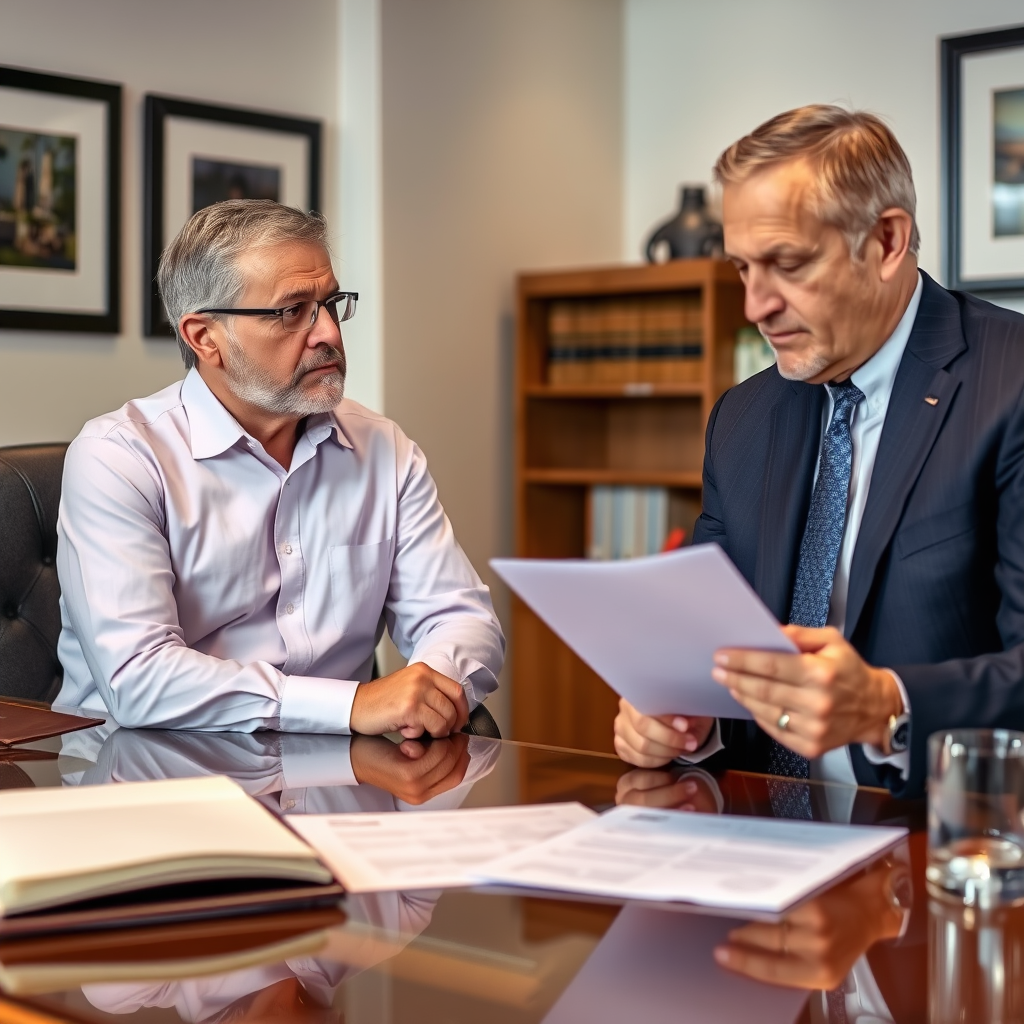
Orlando Post Conviction Lawyer: Fighting for Your Future After Conviction
As of January 2026, the following information applies. In Orlando, post-conviction relief involves challenging a conviction or sentence after direct appeals have been exhausted, often due to errors, new evidence, or ineffective assistance of counsel. The Law Offices Of SRIS, P.C. provides dedicated legal defense for these matters.
Confirmed by Law Offices Of SRIS, P.C.
What is Post Conviction Relief in Orlando?
Listen, getting convicted of a crime in Orlando doesn’t always mean it’s the end of the road. Sometimes, things go wrong in a trial, or new evidence surfaces later. Post-conviction relief is the legal process that lets you challenge a criminal conviction or sentence after your direct appeals have run their course. It’s not another appeal, but a separate legal action. Think of it as a crucial second look at your case, often focused on issues that couldn’t be raised during the initial trial or appeal, like constitutional violations, ineffective counsel, or newly discovered evidence that could prove your innocence. It’s about ensuring justice was truly served.
Takeaway Summary: Post-conviction relief in Orlando is a critical legal avenue to challenge a conviction or sentence based on issues not addressed in trial or direct appeal. (Confirmed by Law Offices Of SRIS, P.C.)
A conviction can feel like a life sentence in itself, even for misdemeanor charges. The direct consequences, like jail time or hefty fines, are just the start. You’ve also got to deal with the indirect stuff: finding a job becomes harder, housing options shrink, and even your right to vote might be on the line. It’s a heavy burden, and it can feel like the system has forgotten you. Many folks lose hope, feeling like they’re stuck with a record that follows them everywhere. But here’s the thing: sometimes, the system makes mistakes, or new information comes to light that could change everything. That’s where an Orlando post conviction lawyer comes in. We’re here to help you understand your options and, if possible, get a fresh start.
Blunt Truth: After a conviction, many people assume their options are gone. But post-conviction relief exists precisely for those situations where serious errors or new facts demand a second look. Don’t give up before exploring every avenue.
The legal journey after a conviction can be incredibly daunting. You’re likely feeling frustrated, scared, and maybe even betrayed by a system you believed would protect you. The paperwork, the deadlines, the complex legal arguments – it’s enough to make anyone’s head spin. Plus, you’re up against the state, which has vast resources. It’s easy to feel alone in that fight. This is why having knowledgeable legal counsel in your corner makes all the difference. An experienced Orlando PCR attorney understands these challenges and can guide you through each step, making sure your voice is heard and your rights are upheld.
Let’s face it: the stakes are incredibly high. Your freedom, your reputation, and your future are on the line. Getting post-conviction relief isn’t a walk in the park; it requires meticulous preparation, a deep understanding of Florida’s legal statutes, and a persuasive approach. Florida’s rules for post-conviction relief, often found in Rule 3.850, are precise and have strict time limits. Missing a deadline can mean losing your chance entirely, no matter how strong your case might be. So, understanding what you’re up against and acting swiftly is paramount.
How to Pursue Post-Conviction Relief in Orlando, Florida?
Taking on the post-conviction process in Florida requires a strategic approach. It’s not just about wanting to overturn a conviction; you need solid legal grounds and a clear path forward. Here’s a general overview of the steps involved, though every case has its own unique twists and turns:
- Review Your Case Thoroughly: The very first step is to dig deep into your original trial records, transcripts, and all legal documents. We’re looking for errors, omissions, or any red flags that weren’t caught during your initial defense or appeal. This includes scrutinizing police reports, witness statements, and any evidence presented against you. This detailed review is where many critical issues for a post-conviction claim are identified.
- Identify Legal Grounds for Relief: You can’t just say you’re innocent; you need a legal reason for why your conviction or sentence should be changed. Common grounds include ineffective assistance of counsel (your original lawyer made serious mistakes), newly discovered evidence that would likely change the verdict, prosecutorial misconduct, or a sentence that goes beyond legal limits. Florida law outlines specific grounds, and your claim must fit within those.
- Gather Supporting Evidence: Once you’ve identified your grounds, it’s time to build your case. This means collecting all relevant evidence to support your claim. For ineffective assistance, this might involve affidavits from experts explaining what your previous lawyer *should* have done. For newly discovered evidence, it means presenting that evidence and showing why it wasn’t available at trial. The stronger and more compelling your evidence, the better your chances.
- File a Motion for Post-Conviction Relief: In Florida, this is typically done by filing a Rule 3.850 motion. This document needs to be precise, detailing the legal grounds for your claim and the factual basis for each ground. There are strict deadlines for filing this motion, usually two years from the date your conviction becomes final, so timing is absolutely critical. Missing this deadline often means your case is barred unless there are very rare exceptions.
- Attend Court Hearings: If your motion isn’t summarily denied by the court, you’ll likely have an evidentiary hearing. This is where both sides present arguments and evidence. You might testify, as might your former counsel or other witnesses. This hearing is your opportunity to present your case directly to the judge and convince them that your conviction or sentence should be overturned or modified.
- Appeal an Adverse Decision: If the trial court denies your post-conviction motion, you generally have the right to appeal that decision to a higher court, like the Florida District Court of Appeal. This appeal focuses on whether the lower court made any legal errors in denying your motion. This step requires a detailed understanding of appellate procedure and strong written and oral advocacy skills.
It’s a long road, but with a seasoned Orlando PCR attorney, you don’t have to walk it alone. We’re here to represent your interests every step of the way, fighting for your rights under FL post conviction appeals law.
Real-Talk Aside: This process isn’t quick, and it can be emotionally exhausting. But every single step is vital. Don’t cut corners, and don’t try to navigate it without professional help. The details matter, and a mistake can cost you your last chance at justice.
Can I Overturn My Conviction Years Later in Orlando?
You’re probably wondering if there’s still hope if your conviction happened a while ago. The simple answer is: it depends, but it’s certainly worth exploring. While Florida has strict two-year time limits for most post-conviction motions (Rule 3.850), there are specific, limited exceptions that can allow you to challenge a conviction much later. These exceptions are typically for situations where new, compelling evidence emerges that couldn’t have been discovered earlier, or if there’s a significant change in the law that applies retroactively to your case. For example, if DNA evidence surfaces years after your trial that clearly points to someone else, or if a new Supreme Court ruling redefines what constitutes a legal conviction, your case might qualify for an exception to the time bar.
This is where an experienced FL post conviction appeals attorney becomes incredibly valuable. We know these exceptions inside and out and can determine if your specific circumstances fit within them. It’s not a common occurrence, but it’s not impossible. Imagine the relief of finally having your name cleared after years of carrying a wrongful conviction. We’ve seen situations where individuals, burdened by past judgments, found a pathway to justice long after they thought all hope was lost. Each case is unique, and a thorough review is necessary to see if these rare windows of opportunity apply to you.
Blunt Truth: While most post-conviction claims have a two-year clock, don’t assume your time is up just yet. Certain legal and factual developments can reopen your case, even years down the line. It’s always worth a confidential case review to understand your specific options.
The possibility of overturning a conviction years later hinges on demonstrating that a fundamental injustice occurred and that your claim meets one of these narrow exceptions to the time limits. This isn’t about re-arguing facts that were known at trial; it’s about presenting entirely new information or legal arguments that were previously unavailable. It takes a deep dive into your entire legal history, meticulously sifting through every detail to uncover any potential avenue for relief. This is complex legal work, but for those who qualify, it can be life-changing. We understand the fear and uncertainty that comes with a long-standing conviction, and we’re here to explore every possibility with you.
Why Hire Law Offices Of SRIS, P.C. as Your Orlando Post Conviction Lawyer?
When your future hinges on challenging a past conviction, you don’t just need a lawyer; you need a dedicated advocate who truly understands the gravity of your situation. At the Law Offices Of SRIS, P.C., we’re committed to representing individuals in Orlando who are fighting for their post-conviction rights. We know the Florida legal system, and we bring a relentless drive to every case we take on, understanding that for many, this is their last real chance at justice.
Mr. Sris, the founder and principal attorney, brings a profound understanding and a personalized approach to these challenging cases. He shares his perspective: “My focus since founding the firm in 1997 has always been directed towards personally handling the most challenging and complex criminal and family law matters our clients face.” This dedication to tackling tough cases means we don’t shy away from the intricate details and demanding work that post-conviction relief requires. We believe in thoroughly investigating every claim, identifying every possible legal angle, and building the strongest defense possible for your future.
Choosing the Law Offices Of SRIS, P.C. means choosing a team that offers: seasoned experience in complex criminal defense matters; a commitment to personalized legal strategies tailored to your unique situation; and a compassionate understanding of the emotional toll these legal battles take. We’re not just attorneys; we’re your partners in this fight, providing clarity and hope when you need it most.
Our goal is always to protect your rights, explore every legal avenue, and work towards the best possible outcome for your post-conviction matter in Orlando. We understand what’s at stake, and we’re ready to put our knowledge to work for you. If you’re looking for a firm that will represent your case with integrity and an unwavering commitment to your future, you’ve found it.
Law Offices Of SRIS, P.C. has locations in Fairfax, Virginia. The address is 4008 Williamsburg Court, Fairfax, VA, 22032. You can reach us at +1-703-636-5417.
Call now for a confidential case review.
Orlando Post Conviction Relief: Frequently Asked Questions
What’s the difference between an appeal and post-conviction relief?
An appeal challenges legal errors made during trial or sentencing based on the existing record. Post-conviction relief, conversely, typically addresses issues outside the trial record, like ineffective counsel or newly discovered evidence, after direct appeals are exhausted.
How long do I have to file for post-conviction relief in Florida?
Generally, you have two years from the date your conviction and sentence become final to file a motion for post-conviction relief under Florida Rule 3.850. There are very limited exceptions that can extend this deadline.
Can I get post-conviction relief if I pled guilty?
Yes, it’s possible to seek post-conviction relief even after a guilty plea. This often involves claims that your plea was not voluntarily or knowingly made, or that your counsel was ineffective in advising you regarding the plea.
What does “ineffective assistance of counsel” mean?
This means your previous attorney’s performance fell below an objective standard of reasonableness, and this deficient performance negatively impacted the outcome of your case. It’s a common, yet challenging, ground for post-conviction relief.
What is newly discovered evidence in the context of post-conviction?
This refers to evidence that was not known or discoverable at the time of your trial, despite due diligence, and that would likely have changed the outcome of your trial had it been presented. It’s a high bar to meet.
Will my presence be required at all post-conviction hearings?
Not necessarily. While you might need to be present for evidentiary hearings where testimony is taken, some preliminary or procedural hearings might not require your physical presence. Your attorney can clarify this for your specific case.
Can I represent myself in a post-conviction relief case?
While you have the right to represent yourself, it’s strongly discouraged. Post-conviction law is highly complex, with strict rules and procedures. Having a knowledgeable Orlando PCR attorney significantly increases your chances of success.
What outcomes can I expect from post-conviction relief?
Potential outcomes vary, ranging from a new trial, resentencing, or even a complete dismissal of charges. The specific relief granted depends on the nature of the errors found and the strength of your post-conviction claims.
The Law Offices Of SRIS, P.C. has locations in Virginia in Fairfax, Loudoun, Arlington, Shenandoah and Richmond. In Maryland, our location is in Rockville. In New York, we have a location in Buffalo. In New Jersey, we have a location in Tinton Falls.
Past results do not predict future outcomes.