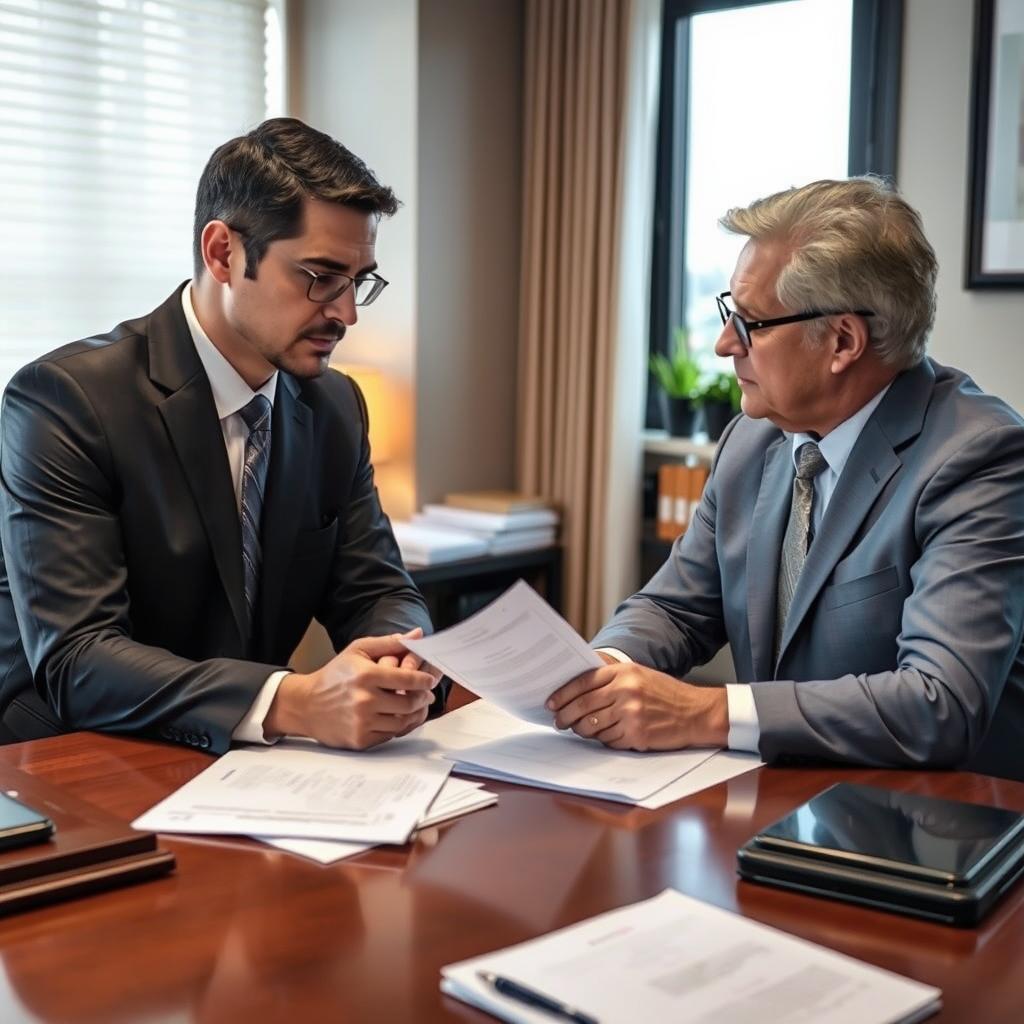
Parole Hearing Lawyer Baltimore, MD
A parole hearing can determine whether an incarcerated person gets a second chance to return to the community under supervision. In Baltimore, Maryland, those hearings are conducted by the Maryland Parole Commission, an independent state agency. Having an experienced defense team prepare for a parole hearing can help present the strong case for release. Mr. Sris and his Of Counsel at Law Offices Of SRIS, P.C. bring over 120 years of combined legal experience and 4,739+ documented firm-wide results to parole matters. Results may vary. For a consultation about representation at an upcoming parole hearing in Baltimore or elsewhere in Maryland, call (888) 437-7747. Law Offices Of SRIS, P.C. – Advocacy Without Borders.
What Parole Hearings Mean in Baltimore, Maryland
In Maryland, most individuals sentenced to incarceration within the Division of Correction become eligible for parole after serving a portion of their sentence. The Maryland Parole Commission reviews eligible cases and schedules hearings at correctional facilities or via videoconference. For people serving sentences after convictions in Baltimore City Circuit Court or the District Court of Maryland for Baltimore City, the Commission evaluates a range of factors—including institutional behavior, participation in programming, and the viability of a release plan. The process is distinct from a bail hearing or sentencing proceeding; it focuses on the person’s progress while incarcerated and future risk to public safety. The Commission’s decisions consider input from victims, prosecutors, and institutional staff. An experienced attorney can help frame the narrative that the board sees.
Baltimore’s criminal justice landscape includes courts located at 5800 Wabash Avenue (District Court) and the Mitchell Courthouse (Circuit Court). While those are where original charges were adjudicated, parole hearings do not take place in courtrooms. Still, understanding the local judicial culture and the expectations of the Commission can inform a better-prepared hearing. Mr. Sris and his Of Counsel have substantial experience navigating Maryland’s criminal justice system from arraignment through post‑conviction matters, including parole advocacy. They work with clients and their families to assemble character references, employment letters, and other documents that show the Commission the client is ready for a successful reentry.
How Mr. Sris and His Of Counsel Handle Parole Hearing Cases
Preparing for a parole hearing involves more than a brief appearance. The attorney reviews the client’s institutional record, disciplinary history, program completions, and any recommendation from the Division of Correction. Mr. Sris and his Of Counsel then work with the client to craft a narrative that addresses each factor the Commission weighs—remorse, rehabilitation, and future plans. If a hearing was previously denied, they examine the reasons given and help the client address any deficiencies. In some cases, they may consult with attorneys such as mental health professionals or substance‑abuse counselors who can provide assessments that support release.
The attorney’s role at the hearing itself is to present the client’s case clearly and respond to any concerns raised by the Commission. While the proceeding is less formal than a trial, the stakes are high: a favorable decision can mean early release to a supervised release program; an unfavorable one can mean waiting another year or more for the next review. Mr. Sris and his Of Counsel ensure that the client’s rights are respected throughout the process and that the Commission has a complete, accurate picture of the individual before it. Because the Commission’s decision is discretionary under Maryland law, thoughtful preparation can make a significant difference.
About Mr. Sris and His Of Counsel Team
Mr. Sris, Owner and Founder of Law Offices Of SRIS, P.C., is a former prosecutor who has focused his practice on criminal defense and post‑conviction matters for more than two decades. He is admitted in Virginia, Maryland, the District of Columbia, New Jersey, and New York. His Of Counsel team includes attorneys with deep roots in Maryland’s court system and a thorough understanding of the parole process. Collectively, they bring over 120 years of combined legal experience and 4,739+ documented firm-wide results to each representation. Results may vary. The firm’s Maryland location in Rockville provides convenient access for clients across the state, including those with loved ones incarcerated in Baltimore.
Frequently Asked Questions
What happens during a parole hearing in Baltimore, Maryland?
A parole hearing is an interview with the Maryland Parole Commission where the incarcerated person appears to answer questions about their crime, institutional adjustment, and plans for release. The Commission reviews the individual’s disciplinary record, program participation, and a risk assessment. The person may present supporting documents and statements. Victims and prosecutors may also give input. The hearing is not a trial and does not re‑litigate guilt. After considering all material, the Commission announces its decision, often within weeks. An attorney can help the person prepare a coherent statement and organize evidence that addresses the board’s typical concerns.
Can a lawyer help with a parole hearing in Baltimore?
Yes, an experienced attorney can help prepare for a parole hearing by gathering supporting documentation, coaching the client on answering questions, and presenting the case to the Commission. While a lawyer is not required, having one often improves the quality of the presentation. The attorney can frame the client’s progress in a way that aligns with the Commission’s criteria and can respond directly to any objections raised by the State’s Attorney or victim advocates. In Baltimore, many families retain counsel to give their loved one the trusted chance at a favorable decision.
What factors does the Maryland Parole Commission consider?
The Commission considers the seriousness of the original offense, institutional adjustment, participation in educational or vocational programs, disciplinary record, and the strength of the release plan. It also weighs the risk to public safety, input from the victim, the prosecutor’s recommendation, and any psychological evaluations or risk assessments. The Commission looks for evidence of genuine rehabilitation and a realistic, stable housing and employment plan. An experienced attorney knows how to package these factors into a compelling narrative that addresses the Commission’s primary concerns.
How does the parole process differ for Baltimore City cases?
The parole process itself is the same statewide, but a person’s underlying crime was prosecuted in Baltimore City, which can affect the Commission’s view of the case due to local sentencing patterns and prosecutorial culture. For instance, certain offenses that drew stiff sentences in Baltimore may still be viewed as serious public safety risks. An attorney familiar with both the Commission’s practices and Baltimore’s criminal justice landscape can anticipate how the board will evaluate the matter and can prepare the presentation accordingly. Mr. Sris and his Of Counsel have represented clients from Baltimore and across Maryland in parole matters.
When is the trusted time to start preparing for a parole hearing?
Ideally, preparation should begin months before the hearing date, once the client knows they will be eligible for review. The earlier the attorney gets involved, the more time there is to gather letters of support, develop a tangible release plan, and address any negative entries in the institutional record. If the client needs to complete certain programs to strengthen the case, early engagement allows time to enroll and finish them. Waiting until shortly before the hearing can limit what the attorney can do. For guidance on your specific situation, reach Law Offices Of SRIS, P.C. at (888) 437-7747.
What if a parole hearing is denied—can I appeal?
There is no direct judicial appeal of a parole denial in Maryland, but if the denial resulted from a procedural error, an attorney may be able to seek administrative or judicial review. More often, the focus shifts to preparing for the next review, which may be scheduled a year or more later. The attorney can analyze the Commission’s stated reasons for denial and help the client correct the identified issues—for example, completing a missing program or obtaining a new risk assessment. A stronger case can then be presented at the next hearing.
How do I find a parole hearing lawyer in Baltimore?
Look for a criminal defense attorney with specific experience in post‑conviction matters and a track record of representing clients before the Maryland Parole Commission. Many firms advertise criminal defense but not parole advocacy. Ask whether the lawyer has handled parole hearings, understands the Commission’s guidelines, and can provide references. Mr. Sris and his Of Counsel have helped numerous families navigate parole proceedings. For a consultation, call (888) 437-7747. The firm’s Maryland location in Rockville serves clients throughout the state, including Baltimore.
Does the victim have a say in the parole decision?
Yes, under Maryland law, victims and their representatives may submit statements and appear at the hearing to express their views. The Commission gives weight to a victim’s input, particularly if the victim opposes release. An experienced attorney can help the client craft a response that respectfully acknowledges the victim’s concerns while demonstrating the client’s rehabilitation. In some cases, victim‑offender dialogue or a letter of amends may be appropriate, but this is highly fact‑specific. Speak with a lawyer before taking any such step.
What role does the State’s Attorney play in a parole hearing?
The prosecutor’s office that originally convicted the person may submit a recommendation to the Commission. In Baltimore, that is the State’s Attorney for Baltimore City. The prosecutor may support release, oppose it, or take no position. An attorney familiar with the local office can often gauge how strongly the prosecutor is likely to oppose and can prepare counter‑arguments. The Commission is not bound by the prosecutor’s recommendation, but it is one of the important factors it considers.
How much does a parole hearing lawyer cost?
Fees for representation at a parole hearing vary depending on the complexity of the case, the amount of preparation required, and the attorney’s experience. Some attorneys charge a flat fee for the hearing, while others bill hourly. Law Offices Of SRIS, P.C. Discusses fees during an initial consultation and can work within a variety of budgets. Contact us to schedule a consultation. Payment plans are available, and the office accepts major credit cards, cash, and checks.
For additional information about criminal defense and post‑conviction matters in Maryland, see: Maryland Criminal Defense Lawyer. Related pages: Montgomery County Criminal Lawyer, Prince George’s County Criminal Lawyer, Howard County Criminal Lawyer, Anne Arundel County Criminal Lawyer.
Outbound primary sources: District Court of MD for Baltimore City • Maryland Courts • parole eligibility statute (parole eligibility).
Attorney advertising. Prior results do not guarantee a similar outcome.
Results may vary.
Law Offices Of SRIS, P.C.
199 E. Montgomery Avenue, Suite 100, Room 211, Rockville, MD 20850
(888) 437-7747
Case results depend on a variety of factors unique to each case.