
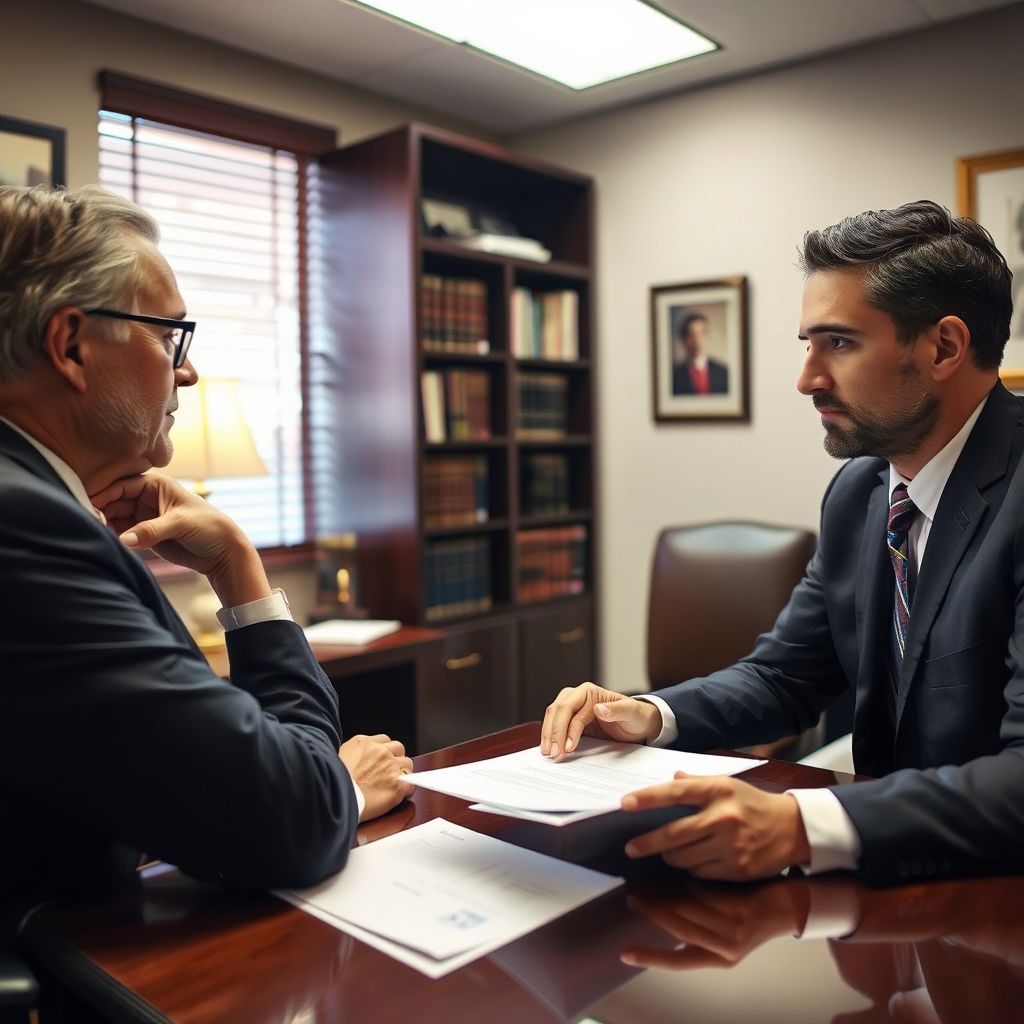
Post Conviction Lawyer Fresno CA: Standing Up for Your Rights After Conviction
As of January 2026, the following information applies. In Fresno, CA, post-conviction matters involve legal actions taken after a criminal conviction to challenge the verdict or sentence. This can include appeals, habeas corpus petitions, or motions to vacate. Law Offices Of SRIS, P.C. provides dedicated legal defense and knowledgeable representation for these matters, aiming to secure fair outcomes for clients in Fresno.
Confirmed by Law Offices Of SRIS, P.C.
What is Post Conviction Relief in Fresno, CA?
Okay, let’s talk real talk about post-conviction relief in Fresno, CA. Think of it like this: a conviction isn’t always the absolute end of the road. Sometimes, things went wrong, new evidence pops up, or your rights weren’t fully protected during your trial. Post-conviction relief is the legal process that allows you to challenge that conviction or sentence after it’s already been handed down. It’s not a do-over of your original trial, but rather a chance to fix significant errors or injustices. This can involve different legal avenues, like filing an appeal with a higher court, seeking a writ of habeas corpus, or making a motion to vacate the judgment. Each path has its own strict rules and timelines, and missing a deadline can permanently close off your options. It’s about fighting for justice when you feel like the system has let you down, even after a verdict has been reached. Whether it’s questions about ineffective counsel, prosecutorial misconduct, or newly discovered evidence, these processes are designed to provide a layer of protection against wrongful convictions or unfair sentences.
Takeaway Summary: Post-conviction relief in Fresno, CA, offers legal avenues to challenge convictions or sentences after a judgment, addressing errors or injustices. (Confirmed by Law Offices Of SRIS, P.C.)
How to Seek Post-Conviction Relief in Fresno, CA?
Seeking post-conviction relief in Fresno, CA, is a complex journey, not a simple walk in the park. It requires a meticulous approach and a deep understanding of California’s criminal procedure. Here’s a general roadmap, but remember, every case has its own quirks and turns. You’re not just filing paperwork; you’re building a new argument against a decision that’s already been made.
Blunt Truth: Missing a deadline in this process can be catastrophic. The courts aren’t very forgiving when it comes to timeliness, so knowing exactly when and how to file is paramount.
- Understand Your Options: The first step is figuring out what kind of relief you’re even eligible for. Are we talking about a direct appeal, which challenges legal errors made during your trial? Or is it a petition for writ of habeas corpus, which argues that your imprisonment is unlawful due to issues like ineffective assistance of counsel, newly discovered evidence, or constitutional violations? Maybe it’s a motion to vacate the judgment, often used for things like immigration consequences or newly discovered factual innocence. Each has different grounds and time limits. Getting this wrong from the start can derail your entire effort.
- Gather Evidence and Records: This is where the detective work comes in. You’ll need every piece of paper related to your original case: trial transcripts, police reports, sentencing documents, motions filed, and any new evidence that supports your claim. This isn’t just about having the documents; it’s about understanding what they mean in the context of your post-conviction challenge. You’re essentially re-evaluating the entire case from a new angle, searching for the crack in the foundation.
- Draft and File the Petition or Motion: Once you know your path and have your evidence, the legal writing begins. This isn’t a letter; it’s a formal legal document that must follow strict court rules. It needs to clearly state the legal grounds for relief, present the supporting facts, and cite relevant case law. For a Fresno PCR lawyer, this means being intimately familiar with California statutes and precedents. The petition must be filed in the correct court (trial court, appellate court, or even federal court for habeas petitions), and it must meet all formatting and filing requirements.
- Court Proceedings and Hearings: It’s rare for a petition to be granted immediately. More often, the court will ask for responses from the prosecution, and there might be evidentiary hearings. During these hearings, you might present new evidence, call witnesses, or argue legal points. This is your chance to convince the judge that an injustice occurred and that you deserve a new outcome. It’s a courtroom battle, even if it’s not a full trial.
- Understand the Outcome and Next Steps: If your petition is granted, great! The court will outline the relief – maybe a new trial, a reduced sentence, or even exoneration. If it’s denied, you still might have options, such as appealing the denial to a higher court. The process can be lengthy and emotionally draining, often spanning months or even years. Persistence and a solid legal strategy are your best allies.
Engaging a knowledgeable Fresno PCR lawyer means having someone by your side who can guide you through these intricate steps, ensuring every detail is addressed and every opportunity for relief is explored. This process isn’t for the faint of heart, but with experienced counsel, you give yourself the best chance at a different future.
Can I Get My Conviction Overturned in Fresno, CA?
The thought of overturning a conviction in Fresno, CA, can feel like a pipe dream when you’re caught in the aftermath of the legal system. The direct answer is: yes, it’s possible, but it’s an uphill battle that requires compelling legal grounds and a seasoned approach. It’s never a guarantee, and anyone promising that is not being truthful with you. You’re not simply asking for a do-over because you don’t like the outcome; you’re demonstrating that a significant, reversible error occurred or that new information fundamentally changes the original verdict’s validity.
Blunt Truth: Simply regretting your plea or feeling the sentence was harsh isn’t enough to overturn a conviction. There needs to be a specific, legal flaw or compelling new evidence.
When we talk about overturning a conviction, we’re usually looking at a few key areas:
- Ineffective Assistance of Counsel: This is a big one. It means your original lawyer made such significant errors that it prejudiced your defense and deprived you of a fair trial. Maybe they didn’t investigate properly, failed to call crucial witnesses, or missed a vital legal argument. Proving this requires showing that their performance fell below an objective standard of reasonableness and that, but for their errors, the outcome of your case would likely have been different.
- Newly Discovered Evidence: Sometimes, evidence surfaces after your trial that couldn’t have been found or presented at the time, and it’s so impactful that it would likely change the verdict. This isn’t just any new piece of information; it must be genuinely new, material to the case, and not something you simply failed to present earlier. Think DNA evidence or a witness who comes forward years later with crucial testimony.
- Prosecutorial Misconduct: This involves actions by the prosecution that were illegal or unethical and prejudiced your right to a fair trial. Examples include withholding exculpatory evidence (evidence that could prove you innocent), knowingly presenting false testimony, or making improper arguments to the jury. Proving this requires uncovering deliberate actions that undermine the integrity of the legal process.
- Jury Misconduct: If a juror behaved inappropriately during the trial – like conducting outside research, discussing the case with non-jurors, or being biased – it could be grounds for overturning a conviction. This is about ensuring the jury’s decision was based solely on the evidence presented in court and unbiased deliberation.
- Constitutional Violations: This is broad, covering any violation of your constitutional rights during arrest, trial, or sentencing. This could be illegal searches and seizures, coerced confessions, or violations of your right to due process. These are fundamental rights, and their breach can severely undermine a conviction.
Each of these grounds comes with its own stringent legal tests and evidentiary requirements. It’s like trying to thread a needle in the dark – incredibly difficult without the right tools and guidance. An experienced Fresno PCR lawyer can assess the specifics of your case, identify potential grounds for relief, and build a robust legal argument designed to maximize your chances of success. They understand the nuances of California law and how appellate courts view these challenges. While no lawyer can promise an outcome, the right legal representation dramatically improves your ability to navigate this challenging terrain and potentially achieve the justice you seek. It’s about leveraging every legal lever available to push for a different result.
Why Hire Law Offices Of SRIS, P.C. for Your Post-Conviction Matter in Fresno, CA?
When you’re facing a post-conviction challenge in Fresno, CA, you need more than just a lawyer; you need a dedicated advocate who understands the stakes and knows how to fight for your future. At Law Offices Of SRIS, P.C., we recognize the profound impact a criminal conviction has on your life and the lives of your loved ones. We approach each case with empathy, direct communication, and a reassurance that you’re not alone in this fight. Our goal isn’t just to represent you; it’s to provide clarity in a confusing time and instill hope where it might feel lost.
Mr. Sris, the founder of Law Offices Of SRIS, P.C., brings a wealth of experience and a client-focused philosophy to every case. He understands the intricate legal landscape and is committed to meticulously examining every detail of your prior conviction. As Mr. Sris puts it, “My focus since founding the firm in 1997 has always been directed towards personally handling the most challenging criminal and family law matters our clients face.” This insight underscores our commitment to taking on complex cases and providing a strong defense, even after a conviction.
We provide knowledgeable representation, meticulously reviewing trial transcripts, legal motions, and all evidence to identify potential grounds for appeal or other post-conviction relief. Whether it’s uncovering instances of ineffective assistance of counsel, identifying newly discovered evidence, or challenging constitutional violations, our team is equipped to handle the rigorous demands of post-conviction litigation. We know the rules, we know the timelines, and we’re ready to put our experience to work for you.
While Law Offices Of SRIS, P.C. has locations across various states, our team is equipped to assist clients facing post-conviction matters in Fresno, CA. We are dedicated to delivering top-tier legal defense, leveraging our experience to guide you through this difficult process. We’re here to provide a confidential case review and discuss how we can pursue the best possible outcome for your situation. Don’t let a past conviction dictate your entire future without exploring every available legal avenue.
Contact us today to discuss your post-conviction options. Your future deserves a second look.
Call now: +1-703-636-5417
Address: 4008 Williamsburg Court, Fairfax, VA, 22032, US
Frequently Asked Questions About Post-Conviction Relief in Fresno, CA
Here are some common questions we hear about post-conviction matters in Fresno, CA:
What is the difference between an appeal and a post-conviction writ?
An appeal challenges legal errors from your trial record to a higher court. A post-conviction writ, like habeas corpus, introduces new evidence or arguments not part of the original trial record, often concerning constitutional rights violations or ineffective counsel.
How long do I have to file for post-conviction relief in California?
Timelines are very strict and vary by the type of relief. Direct appeals have short deadlines, typically 60 days after judgment. Habeas corpus petitions should be filed as soon as possible after discovering new grounds, without undue delay, as delays can be fatal to your case.
What are common reasons for granting post-conviction relief?
Common reasons include ineffective assistance of counsel, newly discovered evidence of innocence, prosecutorial misconduct (like withholding evidence), and significant constitutional violations during the trial or plea process that prejudiced the outcome of the case.
Can a post-conviction motion affect my immigration status?
Absolutely. A criminal conviction can have severe immigration consequences, including deportation. Post-conviction relief, particularly motions to vacate, can sometimes mitigate or eliminate these immigration-related penalties, making it a crucial avenue for non-citizens.
Will I need to appear in court for post-conviction proceedings?
It depends. Many initial filings are handled through written arguments. However, if the court finds sufficient grounds, it may schedule an evidentiary hearing where you or witnesses might testify to present new facts or legal arguments.
What evidence is acceptable in a post-conviction case?
Acceptable evidence can include trial transcripts, affidavits from new witnesses, scientific reports (e.g., DNA), documentation of constitutional violations, or expert testimony. The key is that the evidence must be relevant, credible, and often, newly discovered.
Can I get a new trial through post-conviction relief?
Yes, if the court determines there were significant errors or injustices that prejudiced your original trial’s outcome, it can order a new trial. This is a common form of relief granted, especially in cases of proven ineffective assistance of counsel or prosecutorial misconduct.
What is the success rate for post-conviction relief?
Success rates vary widely depending on the specific grounds and the strength of the evidence. It’s a challenging process with strict legal standards. However, with experienced legal representation and compelling arguments, the chances of securing a favorable outcome can be significantly improved.
The Law Offices Of SRIS, P.C. has locations in Virginia in Fairfax, Loudoun, Arlington, Shenandoah and Richmond. In Maryland, our location is in Rockville. In New York, we have a location in Buffalo. In New Jersey, we have a location in Tinton Falls.
Past results do not predict future outcomes.