
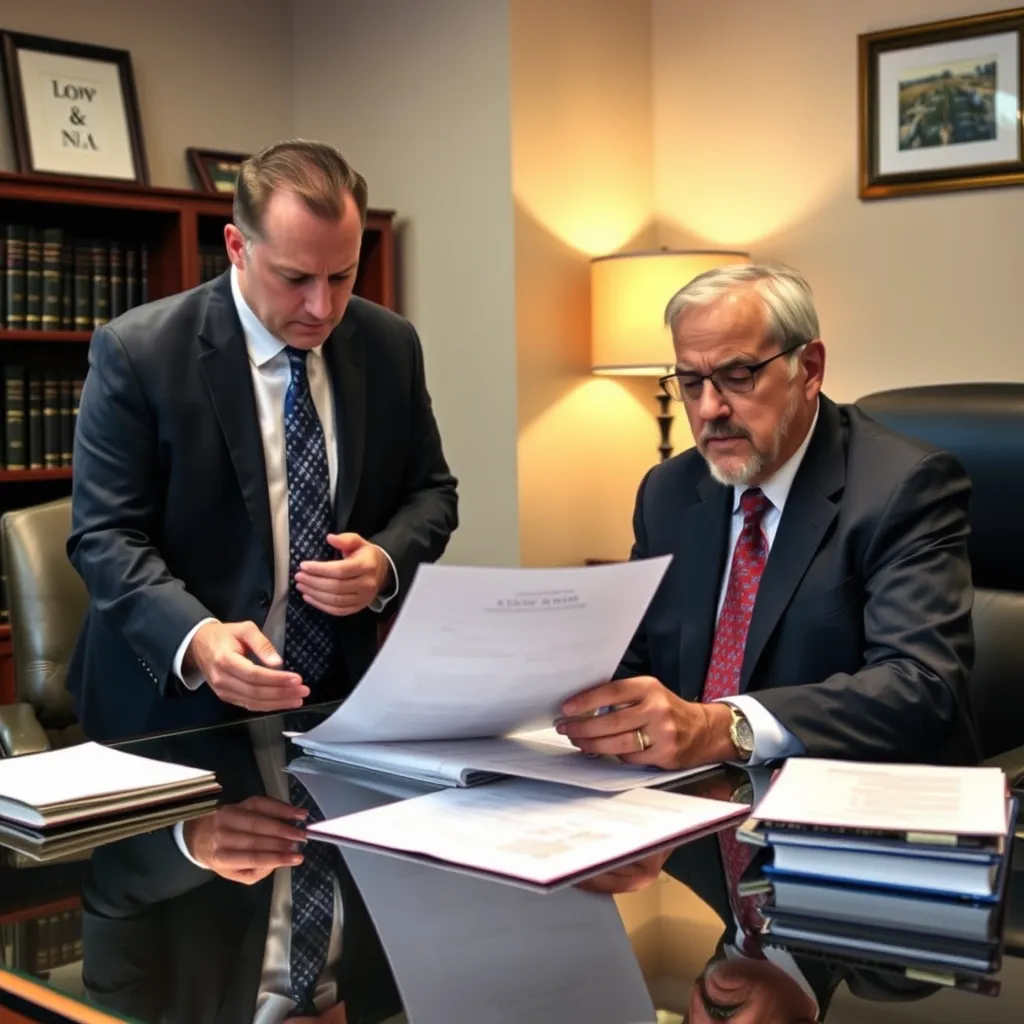
Note: This article is confirmed by Law Offices Of SRIS, P.C.
WRITTEN BY: Mr. Sris
Since 1997, Mr. Sris has led the firm, focusing on the most challenging criminal and family law cases… His background in accounting and information management aids in financial and technology-related cases… Involved in significant legislative changes in Virginia.
Insight: My focus since founding the firm in 1997 has always been directed towards personally handling the most challenging and hard criminal and family law matters our clients face.
Insight: I find my background in accounting and information management provides a unique advantage when handling the intricate financial and technological aspects inherent in many modern legal cases.
Insight: As someone deeply involved in the community, I believe it’s important to not only practice law but also to actively participate in shaping it, which is why I dedicated effort towards amending Virginia Code § 20-107.3 and achieving state recognition for cultural milestones.
Post Conviction Lawyer Southampton, VA
What is Post Conviction Legal Representation
Post conviction legal representation refers to legal services provided after a criminal conviction has been entered. This phase of the legal process occurs when a defendant has been found guilty and seeks to challenge the conviction or sentence. The representation focuses on identifying legal errors that occurred during the trial or sentencing phases.
The initial step involves a comprehensive review of the trial record. This includes examining court transcripts, evidence presented, jury instructions, and procedural rulings. The attorney looks for mistakes that could have affected the trial’s outcome. Common issues include improper admission of evidence, incorrect jury instructions, prosecutorial misconduct, or ineffective assistance of counsel.
After identifying potential errors, the attorney develops a strategy for post-conviction relief. This may involve filing a direct appeal to a higher court, pursuing habeas corpus petitions, or seeking sentence modifications. Each option has specific procedural requirements and deadlines that must be strictly followed.
The attorney prepares legal briefs that present arguments based on identified errors. These documents must cite relevant case law and statutes to support the claims. The briefs explain why the errors warrant reversal or modification of the conviction or sentence.
Blunt Truth: Post-conviction work requires identifying specific legal errors, not just dissatisfaction with the outcome. Success depends on documented mistakes in the trial process.
How to Pursue Post Conviction Relief
The process for pursuing post conviction relief begins with understanding the available options. Direct appeals challenge legal errors that occurred during trial. Collateral attacks, such as habeas corpus petitions, address constitutional violations. Sentence modifications seek changes to imposed penalties.
Timing is vital for post conviction actions. Notice of appeal must typically be filed within 30 days of final judgment. Missing this deadline usually results in losing the right to appeal. Other post-conviction motions have different timeframes that must be carefully tracked.
Gathering the complete trial record is the next step. This includes obtaining transcripts, evidence exhibits, and court filings. The attorney reviews these materials to identify potential legal errors. Common appealable issues include improper evidence rulings, incorrect jury instructions, or sentencing errors.
Preparing the appellate brief requires careful legal analysis. The brief must present arguments clearly, cite supporting authorities, and follow court formatting rules. Some cases also involve oral arguments before appellate judges, where attorneys answer questions about their legal positions.
Reality Check: Appeals have strict deadlines and procedural requirements. Missing a filing date or failing to follow court rules can end your case regardless of its merits.
Can I Appeal My Criminal Conviction
Whether you can appeal a criminal conviction depends on several factors. The most important consideration is whether legal errors occurred during your trial. Appeals courts review procedural matters and legal rulings, not factual determinations made by juries.
Common grounds for appeal include improper admission or exclusion of evidence, incorrect jury instructions, prosecutorial misconduct, or ineffective assistance of counsel. The error must be preserved in the trial record, meaning your attorney objected at the appropriate time during proceedings.
The standard of review varies depending on the type of error claimed. Some errors receive de novo review, where the appellate court examines the issue fresh. Others receive more deferential review, where the court considers whether the trial judge abused discretion.
Even with identified errors, appeals courts consider whether the error was harmless. If the court determines the error did not affect the trial’s outcome, it may affirm the conviction despite the mistake. This makes selecting the strongest arguments vital.
Straight Talk: Appeals focus on legal errors, not whether you agree with the verdict. Success requires documented mistakes that likely affected the trial result.
Why Hire Legal Help for Post Conviction Matters
Post conviction proceedings involve detailed legal knowledge and procedural requirements. Hiring experienced legal help ensures proper handling of these matters. Attorneys understand appellate court rules, filing deadlines, and formatting requirements that non-lawyers often miss.
Legal professionals can identify potential appealable issues that laypersons might overlook. They review trial records with trained eyes, spotting legal errors in evidence rulings, jury instructions, or procedural matters. This analysis forms the foundation for effective appellate arguments.
Attorneys draft persuasive legal briefs that present arguments clearly and cite supporting authorities. They understand how to frame issues in ways that appeal to appellate judges. In cases requiring oral argument, they prepare responses to anticipated questions from the bench.
Legal representation provides strategic guidance throughout the appellate process. Attorneys can advise on whether to pursue certain arguments, when to seek settlement discussions, and how to position the case for potential further review. This guidance helps make informed decisions about legal options.
Blunt Truth: Appellate courts enforce strict procedural rules. Professional representation helps avoid technical mistakes that could end your appeal regardless of its substantive merits.
FAQ:
What is the deadline for filing a criminal appeal?
Notice of appeal must typically be filed within 30 days of final judgment. Missing this deadline usually results in losing appeal rights.
What types of errors can be appealed?
Appeals can address legal errors like improper evidence rulings, incorrect jury instructions, or sentencing mistakes that affected trial outcome.
How long does the appeal process take?
Appeals typically take several months to over a year depending on court backlog, record preparation, and briefing schedules.
Can new evidence be presented on appeal?
Appeals generally review the trial record as it exists. New evidence usually requires different post-conviction proceedings.
What is the difference between direct appeal and habeas corpus?
Direct appeals challenge trial errors. Habeas corpus addresses constitutional violations not apparent in the trial record.
How much does post conviction representation cost?
Costs vary based on case detail, record length, and required legal work. Some attorneys offer payment plans.
What happens if my appeal is successful?
Successful appeals may result in conviction reversal, new trial order, or sentence modification depending on the error addressed.
Can I represent myself in post conviction matters?
Self-representation is allowed but not recommended due to involved procedural rules and legal standards involved.
What is ineffective assistance of counsel?
This claim argues trial attorney’s performance fell below professional standards and prejudiced the defense, affecting trial outcome.
How do I obtain my trial transcripts?
Your attorney can request transcripts from the court reporter. Costs vary based on transcript length and preparation time.
What appellate courts hear criminal cases in Virginia?
Virginia Court of Appeals hears most criminal appeals. Virginia Supreme Court reviews select cases or those involving constitutional questions.
Can I appeal a guilty plea?
Appealing guilty pleas is limited but possible for certain issues like involuntary plea or sentencing errors following plea agreement.
Past results do not predict future outcomes.